







 by
by 

Is Sparkling Water Bad for Your Teeth? What New Research Suggests

Certified™: October 2026
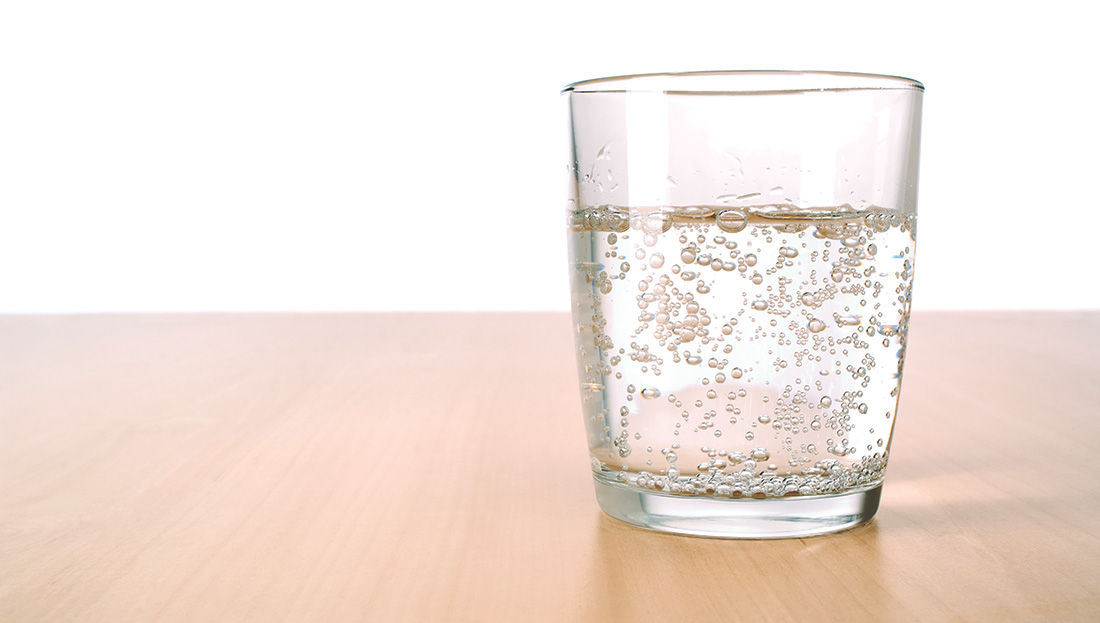
Sparkling water has become a go-to beverage for people who like the fizz of soda but want to avoid the added sugar. For some clients, swapping a daily soda for a can of unsweetened sparkling water may be one of the easier changes they make as they work toward healthier habits. But carbonation comes with its own questions, including one that health and exercise professionals may hear from increasingly health-conscious clients: Is all that sparkling water bad for your teeth?
New research from Purdue University offers some encouraging, though preliminary, information. Researchers compared how sugar-sweetened soda, unsweetened sparkling water, calcium-fortified sparkling water and plain water affected acidity in the mouth. Their findings suggest that unsweetened sparkling water causes a smaller change in oral acidity than sugar-sweetened soda and may represent a lower-risk option for tooth enamel.
This is good news for many, as beverage choices often involve trade-offs. A client may enjoy carbonated drinks enough that the suggestion to “just drink plain water” is unlikely to be a realistic long-term solution. Understanding what the evidence actually says can help you have a more useful conversation about the options available to them.
Why Oral Acidity is Important
The researchers focused on salivary pH, a measure of how acidic or alkaline the environment in the mouth becomes after drinking a beverage. A lower pH indicates a more acidic environment. When oral pH falls below about 5.5, acids can begin to dissolve tooth enamel, increasing the potential for dental erosion over time.
Sugar-sweetened sodas are already known to contribute to dental erosion, in part because they can push oral pH below that critical level. Much less is known about what happens after drinking unsweetened sparkling water. Simply measuring the pH of the beverage itself does not tell the whole story. Once a drink enters the mouth, saliva begins buffering the acidity. The Purdue researchers wanted to see that process unfold in real time.
“By measuring how the mouth responded in real time, rather than only testing beverage acidity alone,” explains lead researcher Wajiha Zulfiqar, a graduate student in nutrition science at Purdue University, the study offers “a more realistic understanding of how these drinks may impact oral health.”
Sparkling Water vs. Soda: What the Researchers Found
The researchers compared four beverages: sugar-sweetened soda, unsweetened sparkling water, calcium-fortified sparkling water and plain water. Participants drank each beverage during separate study visits while researchers tracked changes in salivary pH before, during and after consumption. This allowed the team to see how each beverage affected acidity in the mouth over time.
Sugar-sweetened soda produced the greatest drop in salivary pH. Unsweetened sparkling water caused a smaller, temporary decrease, while the calcium-fortified version also produced a modest change. With both sparkling waters, salivary pH returned close to baseline within 20 minutes. Importantly, pH remained above 5.5—the threshold associated with enamel demineralization—after all of the beverages tested.
The findings also highlight the role saliva plays in helping the mouth recover after exposure to an acidic beverage. Saliva quickly helped restore oral pH following both soda and sparkling water, although the change following sparkling water was less pronounced.
For clients choosing between sugar-sweetened soda and an unsweetened carbonated option, that difference may be meaningful. “Unsweetened sparkling water may be a lower-risk alternative to soda, when consumed in moderation and alongside good oral hygiene practices,” Zulfiqar explains.
What the Findings Mean
The results add some useful perspective to a common concern about carbonated water. Sparkling water did temporarily lower salivary pH, so carbonation cannot be considered completely neutral from an oral-acidity standpoint. The changes were smaller and shorter-lived than those seen with sugar-sweetened soda in this study, and the participants’ salivary pH stayed above the level associated with enamel demineralization.
For clients who enjoy carbonation, unsweetened sparkling water may therefore offer a reasonable alternative when the other option is a sugar-sweetened soda.
The results also raise an interesting question about calcium-fortified sparkling water. In the direct beverage testing, its pH was higher than that of regular sparkling water. Still, this small, short-term study does not provide enough evidence to conclude that calcium fortification protects enamel or makes a sparkling water “better” for dental health. That would require further research.
Plain water also deserves some perspective here. It served as the neutral reference in the study and produced the least acidic response. Sparkling water can be part of a person’s beverage choices without needing to replace plain water altogether.
Still, important questions remain. These findings reflect short-term changes in salivary pH and do not tell us whether sparkling water affects enamel or dental health over months or years. Factors such as how often a beverage is consumed, how long teeth are exposed to it and whether it contains sugar may also influence risk. In addition, the findings were presented at NUTRITION 2026 and have not yet undergone the peer-review process required for publication in a scientific journal. The researchers also plan to study the longer-term effects of sparkling water on oral health.
Putting the Findings Into Practice
For health and exercise professionals, the most useful place to start is with the client’s current beverage habits. If a client regularly drinks sugar-sweetened soda and enjoys carbonation, an unsweetened sparkling water may be a practical substitution they are more willing to maintain. These preliminary findings provide some support for that choice: The sparkling waters tested caused less pronounced changes in salivary pH than the sugar-sweetened soda.
You can also help clients think about the overall pattern of what they drink rather than focusing on a single beverage in isolation. Ask when they typically drink sparkling water, how much they consume and what it is replacing. A sparkling water that replaces a sugary soda represents a different behavioral change than one that replaces the plain water a client already enjoys drinking.
Frequency may also be worth discussing. Because the researchers identify frequency and duration of exposure as factors that influence the potential for enamel damage, a client who slowly sips carbonated beverages throughout the day may want to discuss that habit with their dentist or dental hygienist. This study did not establish how specific drinking patterns affect enamel, so the conversation should remain appropriately cautious.
It’s also important to be specific when clients ask whether sparkling water is “safe.” The evidence from this experiment shows that unsweetened sparkling water produced relatively small, temporary changes in salivary pH and remained above the enamel-demineralization threshold. Long-term effects still need to be studied. That gives you a clear, evidence-based message without offering more certainty than the research provides.
Finally, stay within your professional scope. You can educate clients about general beverage habits, reinforce efforts to reduce sugar-sweetened drinks and help them identify realistic substitutions that support their broader health goals. Questions about tooth sensitivity, enamel erosion, cavities or an individual’s dental risk belong with a dentist or other qualified oral-health professional.
The Bottom Line
For clients who love a little fizz, these early findings are encouraging. Unsweetened sparkling water caused a smaller change in salivary pH than sugar-sweetened soda, and oral pH remained above the threshold associated with enamel demineralization in this study. The researchers concluded that replacing sugar-sweetened soda with unsweetened sparkling water may help reduce the risk of enamel erosion.
As longer-term research emerges, we will learn more about how different types of sparkling water and different drinking patterns affect oral health. For now, you can help clients view sparkling water as one option within a larger pattern of beverage choices—particularly when it makes reducing the consumption of sugar-sweetened soda feel more achievable.


More Articles
- Certified™: October 2026
The ACE Workout Builder for Stronger Bones
by Daniel J. Green and Christopher S. Gagliardi
- Certified™: October 2026
The Health Coach Elevator Pitch Makeover: How to Describe What You Do (and Why it Matters)
by Meg Root
Health and Fitness Expert
Health and Fitness Expert