







 by
by 

Certified™: April 2026
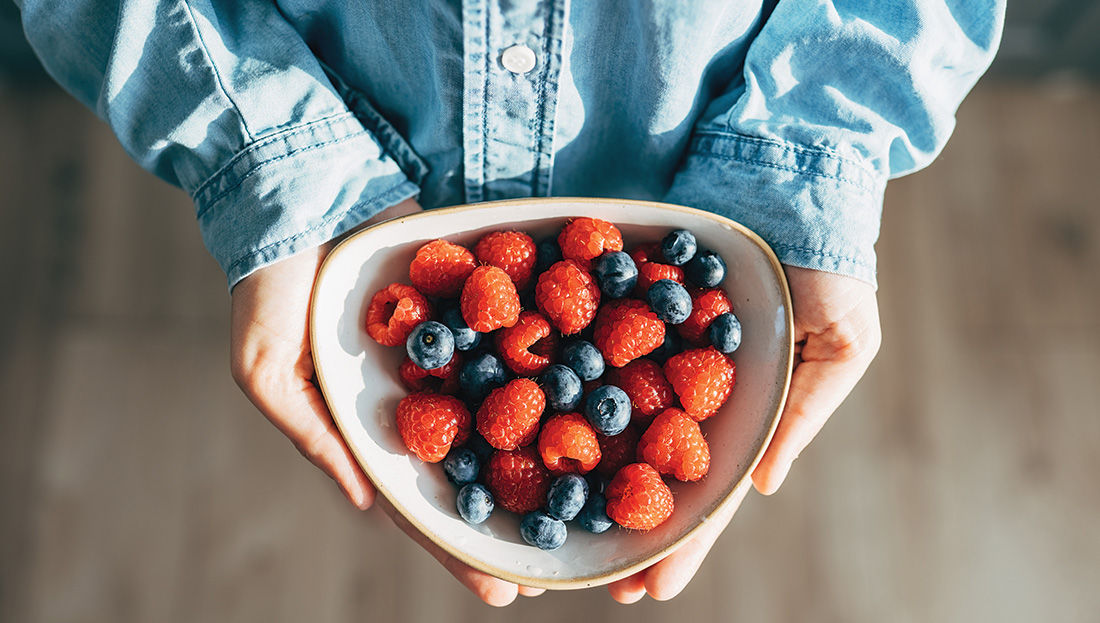
When clients ask about “brain foods,” they are usually looking for something practical. They want to know whether a food, supplement or eating pattern might help them stay sharp, support healthy aging or lower their risk of future decline. That is one of the reasons why research on berries and other colorful plant foods (so-called “superfoods”) continues to receive a lot of attention. A recent study focusing on anthocyanins, which are abundant in berries, offers new insight into how these foods may support cognitive health over time.
Anthocyanins are the plant compounds that give many fruits and vegetables their red, blue and purple color. They are found in foods such as berries, grapes, cherries, red cabbage and eggplant. In this paper, researchers examined whether anthocyanins and anthocyanin-rich foods might have measurable effects on cognitive performance in adults. Across the studies they reviewed, the researchers found that these compounds were linked to better overall cognitive function, along with gains in several specific areas of thinking and memory.
That does not mean anthocyanins are a magic bullet, or that one smoothie can sharpen a client’s memory by next week. But it does suggest this is an evidence area worth paying attention to, especially if you are working with older adults or with clients who are motivated by maintaining long-term brain health.
The Study
This was not a single study, but a meta-analysis, meaning the researchers reviewed results from many randomized controlled trials to get a broader view of the evidence. They focused on studies involving anthocyanins or anthocyanin-rich foods and looked at whether those interventions affected cognitive function in adults.
In all, the analysis included 59 trials. The studies varied widely, with some using foods and beverages such as blueberry, cherry, grape or pomegranate products, and others using extracts or capsules. Participants ranged from healthy adults to people with mild cognitive impairment and other health conditions, and study lengths varied from a couple of weeks to as long as a year.
That broad mix gives the findings more reach, but it also calls for some caution. Rather than boiling the message down to “berries improve memory,” it is more accurate to say the evidence points to a promising connection between these colorful plant compounds and cognitive health.
What the Researchers Found
The main takeaway was encouraging: Across the studies included in the analysis, these compounds were linked to better overall cognitive function compared with control groups. The benefits also were not limited to just one area. Researchers saw improvements across several aspects of cognition, including attention, memory, processing speed and verbal fluency.
That breadth is part of what makes the findings of this study so noteworthy. Rather than pointing to a possible benefit on a single test, the results suggest these colorful plant compounds may have a broader relationship with how the brain functions over time. This information is especially relevant for aging adults and others who may be concerned with maintaining their cognitive health.
The authors also looked at whether certain factors seemed to influence the results. One of the more interesting findings was that higher doses did not necessarily lead to better outcomes. Longer interventions, however, tended to show stronger benefits than shorter ones, particularly in areas such as overall cognition, memory and verbal performance.
That is an important real-world point. In a culture that often leans toward “more is better,” this study suggests that consistency may matter more than high doses. In other words, the greatest benefits come from regular, long-term habits rather than trying to get dramatic results from a large amount all at once.
Why Anthocyanins Might Matter
The paper also reviews several plausible mechanisms. Anthocyanins may support cognition by improving vascular and endothelial function, which can help support blood flow to the brain. They may also act as antioxidants, reduce oxidative stress and influence inflammatory pathways. In addition, the authors discuss the possibility that anthocyanins affect the gut microbiota in ways that may benefit the gut-brain axis.
Obviously, you don’t need to memorize the molecular pathways of anthocyanins to understand why this research matters. What is more important is that these findings fit into a broader pattern you are already familiar with: Eating habits that support cardiometabolic and vascular health often also support brain health.
The authors also connect anthocyanin-rich foods to broader eating patterns, noting that berries are emphasized in the MIND diet because of their potential neuroprotective value. They suggest that adding anthocyanin-rich foods may provide benefits beyond traditional healthy eating models that do not prominently feature them.
What the Study Does Not Prove
This is where your professional judgment matters.
The results are promising, but they shouldn’t be overstated. The included studies were heterogeneous, with differences in participant age and health status, intervention type, duration and cognitive testing methods. The authors also pointed out a few important limitations. Because the studies varied so much, the findings should be interpreted with some caution. They also noted that factors such as the form of the food and differences in how people process these compounds may have influenced the results.
Just as important, this was not a study of clinical treatment. It does not show that anthocyanins prevent dementia, treat Alzheimer’s disease or replace medical care. It also does not mean health and exercise professionals should step outside their scope of practice by recommending supplements, especially as though they are guaranteed to improve cognition in every client.
How to Use These Findings Without Exceeding Scope of Practice
For health and exercise professionals, the most useful application is not to recommend anthocyanin supplements. It is to use this research as one more evidence-based way to support healthy habits.
You can talk with clients about the value of including more colorful plant foods in an overall healthy eating pattern. You can highlight anthocyanin-rich foods such as berries, cherries and grapes as examples of foods associated with potential cognitive benefits, while being clear that the evidence is still evolving and that nutrition works best as part of a larger lifestyle picture.
You can also connect this conversation to other healthy behaviors. For example, if you coach older adults, you might tie regular physical activity, sleep, stress management and dietary quality together (all core drivers of health, by the way) under the umbrella of healthy aging and brain health. This study reinforces the importance of nutrition in overall health.
Where you should be careful is in moving from education to treatment. Unless your credential and licensure allow otherwise, avoid diagnosing cognitive issues, recommending supplements for medical purposes or suggesting that anthocyanins can prevent or treat neurodegenerative disease. If a client has significant memory concerns, reports worsening cognitive symptoms or asks whether a supplement is appropriate for a medical condition, be sure to refer them to a qualified healthcare provider.
Here’s what you can (and should) tell your clients: “There is emerging evidence that anthocyanin-rich foods may support cognitive health over time, especially as part of an overall healthy lifestyle. If you want individualized nutrition advice or you’re considering supplements, you should contact your healthcare provider or a registered dietitian nutritionist.”
The Bottom Line
This meta-analysis adds encouraging evidence to the conversation around food and brain health. For health and exercise professionals, the practical message is straightforward: This is useful, interesting evidence that supports conversations about long-term lifestyle habits, not a reason to make sweeping promises. Encourage your clients to build eating patterns rich in fruits and vegetables, especially colorful plant foods. Keep your messaging grounded. And when questions move into medical nutrition therapy or supplement decision-making, collaborate and refer.
That is how you turn promising research into responsible practice.


More Articles
- Certified™: April 2026
Strengthening Stress Resilience: How Adaptability Supports Healthy Living
by Sabrena Jo, PhD, and Daniel J. Green
- Certified™: April 2026
Blood Flow Restriction and Sprint Training: New Tools for Endurance Gains
by Wren Pyle and Lance C. Dalleck, PhD
- Certified™: April 2026
New Expert Guidance on Stretching: What Belongs in Your Programs
by American Council on Exercise
Contributor
Contributor