



 by
by |
Key Takeaways ACE is excited to introduce a brand-new virtual fitness conference that will offer sessions on everything from brain health and exercise programming for longevity to diet culture and fitness career development—the 2026 ACE Global Virtual Conference, which takes place November 3–5. This blog offers insights and strategies from some of the experts who will be providing education during the event. Read on to learn more about what to expect at this upcoming health and fitness conference or check out the list of educators a calendar of sessions. |
The 2026 ACE Global Virtual Conference (worth 1.0 ACE CECs) takes place November 3–5 and will set a new standard for global learning, offering dozens of educational sessions and allowing you to tailor your experience and attend only those sessions that fit your goals and interests. In addition, you will have an opportunity to connect with other health and exercise professionals and employers, not to mention the industry experts providing the education.
In addition to the many educational opportunities designed for personal trainers, group fitness instructors, health coaches, and studio and gym owners, the event will feature movement sessions, keynote speakers, career advice and partner experiences.
To give you an idea of what to expect, we asked four of the experts who will be leading sessions to share a key takeaway or practical tool they are excited to share during the event.
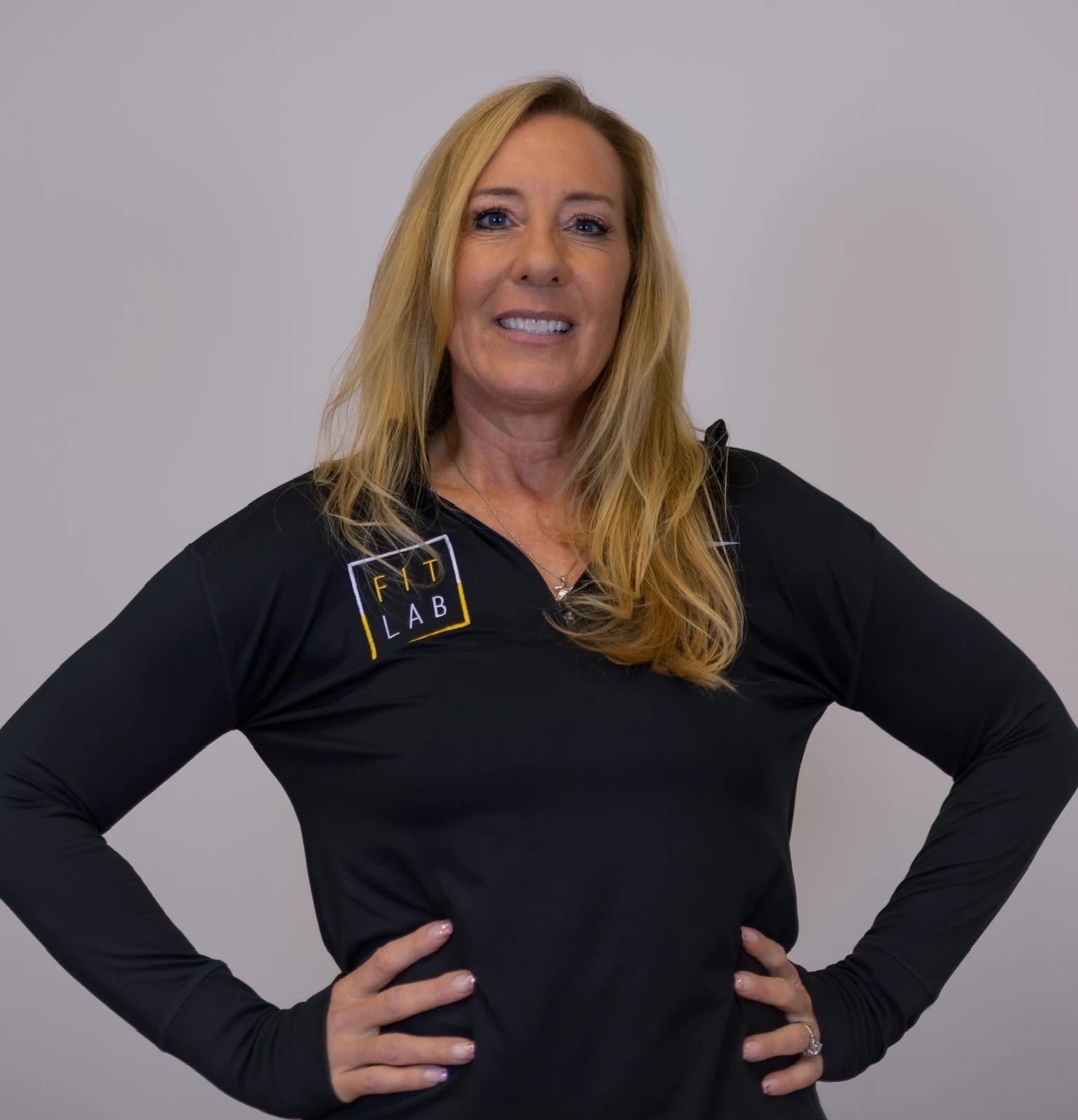 |
Jan Shroeder, PhD, Professor of Kinesiology at California State University, Long Beach |
|
Menopause in Motion: When to Push and When to Pause One practical strategy participants will gain is a simple green-, yellow- and red-light framework for deciding when to continue, modify or stop an exercise session. I am especially excited to show exercise professionals how brief check-ins and small adjustments to intensity, impact, duration and recovery can help clients remain active without dismissing important warning signs as “just menopause.” Strong and Steady: Exercise Programming for Clients With Osteoporosis Osteoporosis does not require a fragile exercise program—it requires an individualized, progressively challenging one. I am eager to share practical ways to combine resistance, weight-bearing, balance, posture and functional training, while modifying higher-risk movements based on fracture history, fall risk, symptoms and movement ability. |
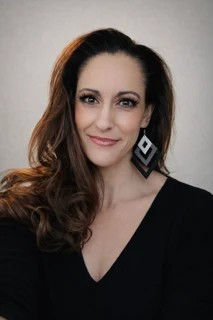 |
Erin Nitschke, EdD, Health and Human Performance Professor |
|
Coaching Behavior Change That Lasts I want professionals to walk away understanding that knowing what to do and actually doing it are two very different things. We’ll explore how to move clients beyond good intentions by identifying barriers, connecting goals to what matters to them and translating larger outcome goals into realistic process goals. I’m looking forward to sharing practical tools, such as SMART-ER goals, confidence scaling, if-then planning, and planning for setbacks before they happen—strategies coaches can use immediately to help clients adapt rather than abandon their goals when life inevitably gets messy. No Noise Nutrition: Cutting Through Diet Culture with Better Coaching Conversations The language we use as coaches can either add to the nutrition noise or help quiet it. Health coaches and exercise professionals will leave with practical ways to recognize diet-culture messaging and reframe conversations using neutral, behavior-focused, autonomy-supportive language. I’m enthusiastic about the opportunity to share the “No Noise Coaching Framework” because it gives professionals something they can immediately use to help clients navigate nutrition with more curiosity, clarity and confidence, without shame, moralizing food or stepping outside their scope of practice. |
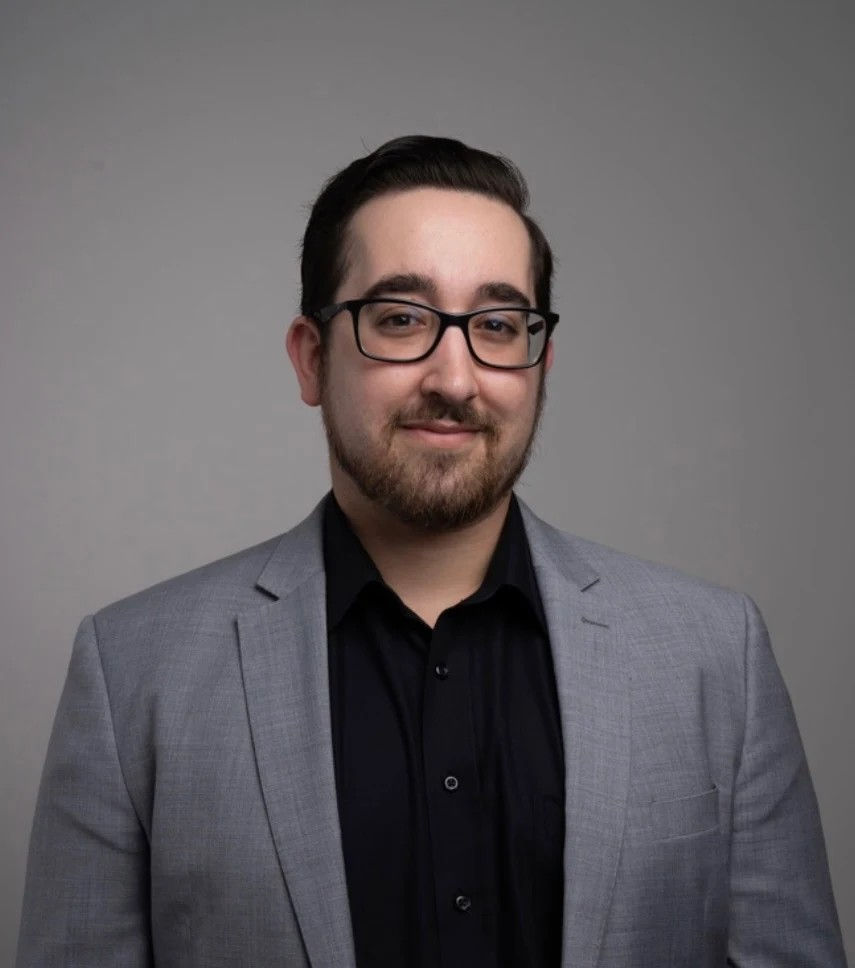 |
Ryan Glatt, MSc, CPT, NBCHWC, Director of the FitBrain Program at Pacific Neuroscience Institute |
|
Training The Brain: Exercise Strategies for Cognitive Health One key takeaway is that a well-rounded, multimodal exercise program offers the strongest foundation for supporting brain health. Participants will learn how to combine aerobic exercise, strength training, and balance and coordination activities tailored to each client’s abilities and goals. I can’t wait to share practical ways health coaches and exercise professionals can bring these elements together into programs that are engaging, sustainable and easy to apply. |
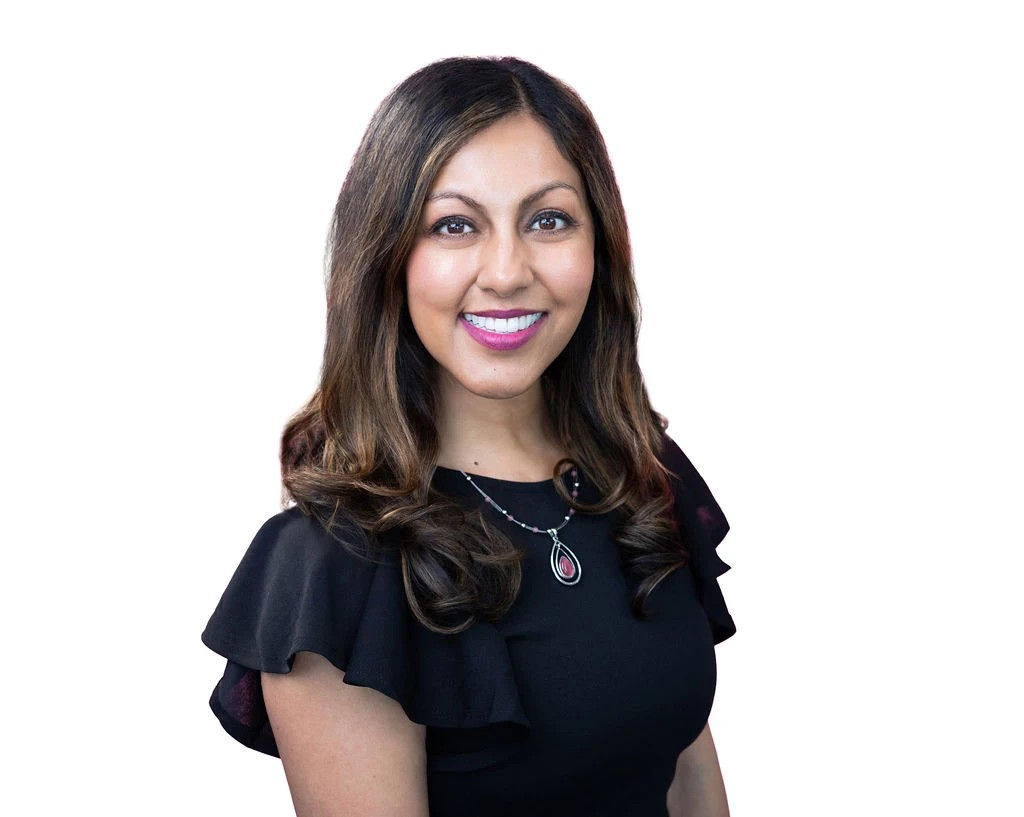 |
Reena Vokoun, Founder and CEO of Passion Fit |
|
The Behavior-Brain Connection: Everyday Habits for Brain Health One key takeaway is the fact that neurobiological mechanisms, through chemicals and cells in the brain and body, have a direct relationship on lifestyle behaviors, cognitive function, stress and motivation. Building a Successful Health and Fitness Business in the Age of AI We must evaluate opportunities to use artificial intelligence (AI) platforms, apps, wearable technology and other digital tools to improve business efficiency and support the client experience. Across both sessions, I'm most excited about educating fellow health and exercise professionals on cutting edge research and practical applications for their clients, themselves and the industry at large. |
|
|
The 2026 ACE Global Virtual Conference (worth 1.0 ACE CECs) takes place November 3–5 and will be a first-of-its kind global learning experience. Explore the latest insights, connect with fellow health and exercise pros, and take away practical tools you can use right away. There will be educational opportunities built around today’s key topics and diverse sessions that will fit your interests and goals. Whether you’re a personal trainer, group fitness instructor, health coach, or studio or gym owner, this event will give you an opportunity to learn from the experts moving fitness forward. Check out the full three-day calendar here: 2026 ACE Global Virtual Conference Agenda. |