






 by
by |
Key Takeaways The benefits of Pilates are numerous, but many people are unsure whether doing mat Pilates or exercising with a Pilates reformer is the best choice for them. Mat Pilates is more cost-effective than a Pilates reformer and can be performed just about anywhere. However, reformer-based Pilates offers easier progressions and a variety of movement that many participants find more challenging and dynamic. Read on for a side-by-side comparison that will help you and your clients/participants make a more educated decision. Check out these ACE resources:
|
Pilates, which is built on principles of core strength, alignment, controlled movement and mindful breathing, continues to be an extremely popular modality in fitness facilities around the world. It is a specialized system of training that requires in-depth coursework and practice before an instructor is qualified to teach it. To learn more about the history, appeal and future of Pilates, be sure to read From Beginners to Pros: Why Everyone is Falling in Love With Pilates Again.
The “versus” in the title of this blog is a bit misleading, as mat- and reformer-based Pilates share the same foundational principles and both will improve strength, posture, flexibility and overall body awareness. That said, the two styles each have their ardent supporters, so let’s take a look at the benefits of Pilates, as well as the pros and challenges associated with each type, so that you and your clients or participants can make a more educated decision about which format best meets their needs.
Benefits of Pilates (Mat or Reformer)
Pilates has been around for more than a century and there is plenty of research supporting its effectiveness as part of a well-rounded exercise routine. Consider the following evidence-based benefits:
- Increased core strength and decreased back pain
- Improved flexibility and mobility
- Improved posture and balance
- Injury prevention
- Increased cardiorespiratory fitness
- Enhanced body awareness
- Decreased depression, anxiety and stress
- Improved cognition
- Enhanced motivation and mood
- Improved sports performance
- Improved sleep
- Decreased loneliness (when performed in a group setting)
The Styles Compared
Mat Pilates is performed on a cushioned exercise mat and uses body weight as the primary source of resistance, though props such as resistance bands, stability balls, light weights or Pilates rings are sometimes used. Because mat Pilates relies largely on body weight, participants must learn to stabilize and control their movements without assistance from specialized equipment.
Speaking of specialized equipment, a Pilates reformer consists of a sliding carriage, springs, straps and a foot bar. Depending on the exercise, those springs can provide adjustable resistance or supportive assistance, as needed by the participant, and thereby offer adaptable training options. This makes the reformer a highly versatile tool that can be used by everyone, from people going through rehabilitation to professional athletes.
Consider the following comparison of the pros and challenges associated with mat and reformer Pilates:
| Mat Pilates | Reformer Pilates | |
| Pros |
Cost: The mat and other equipment are relatively inexpensive. Versatility: Can be done almost anywhere and is easy to practice at home |
Regression/progression: Adjustable resistance/assistance Variety: Great exercise variety that often feels more challenging and dynamic |
| Challenges |
Limited regression/progression: There is no adjustable resistance/assistance. Floor-based: This makes transitions difficult for some individuals with joint issues or other movement limitations. |
Cost: Machines typically cost thousands of dollars. Versatility: Because the reformer is cost-prohibitive for most people, they must attend facility-based classes |
Final Thoughts
Perhaps the most important thing to understand about mat and reformer Pilates is that both can be an effective part of a comprehensive exercise program, so the decision about which is best is dependent on an individual’s goals. Reformer Pilates generally offers greater resistance and progression options, making it more effective for developing muscular strength and endurance. However, mat Pilates can be surprisingly challenging, as many exercises require precise control using only body weight.
So, what type of Pilates is better? For someone focused primarily on muscular fitness, reformer Pilates may be a better choice, while mat Pilates may be the better option for someone seeking core control and flexibility. Many times, the decision between a mat or reformer Pilates class comes down to cost, with the cost-effectiveness of mat Pilates often winning out. Either way, Pilates can be a great addition for anyone who is interested in pursuing this modality.
| If you’re interested in learning more about Pilates, ACE has plenty of resources: |
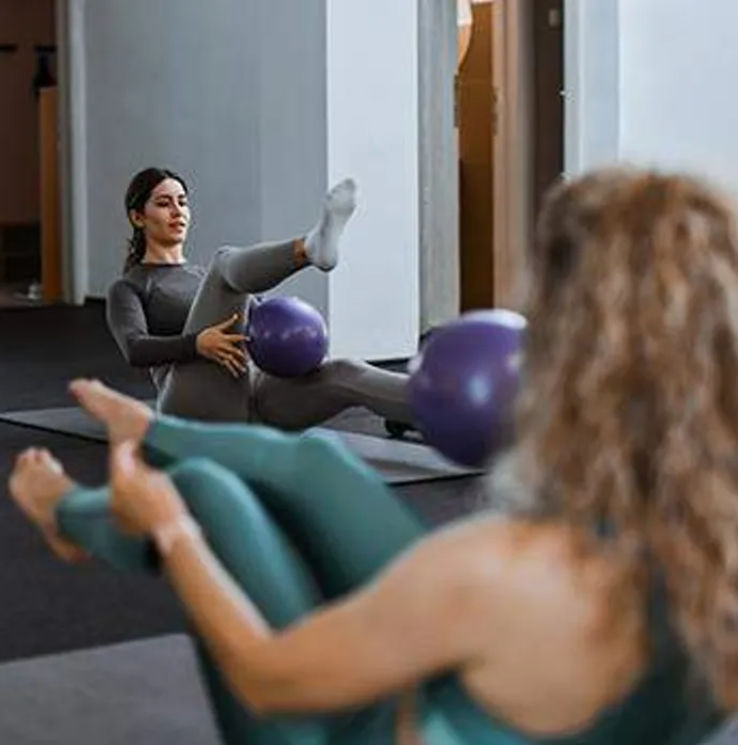 |
Check out Pilates Mat Foundations: Building Strength Through Principles (worth 0.2 ACE CECs): This course provides practical tools you can immediately use to adapt Pilates mat exercises to individual client/participant needs and deliver safer, more effective instruction. |
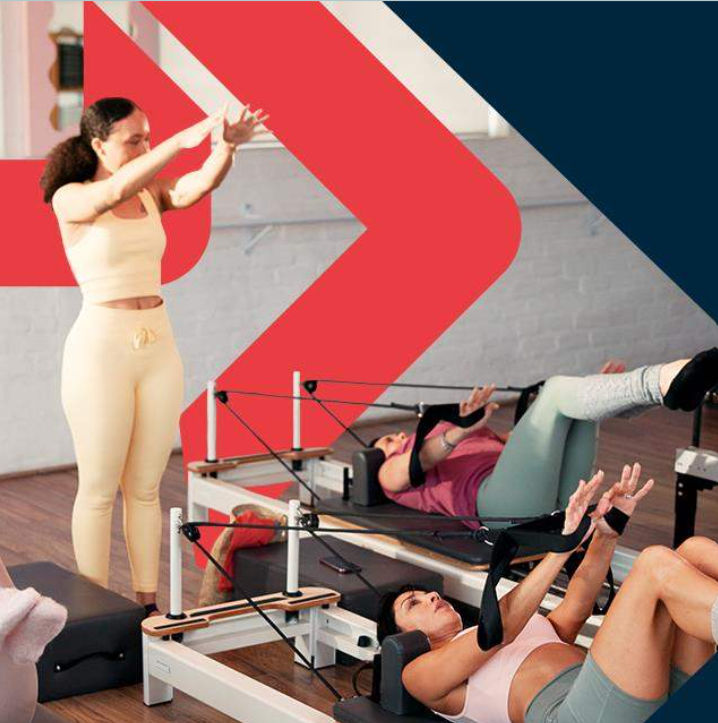 |
Become a Pilates Reformer Instructor Training Specialist with our Pilates Reformer Instructor Training (worth 1.8 ACE CECs): This course combines foundational Pilates education with practical teaching application to help you confidently lead effective sessions. Includes guided flows, self-practice and practice teaching. |
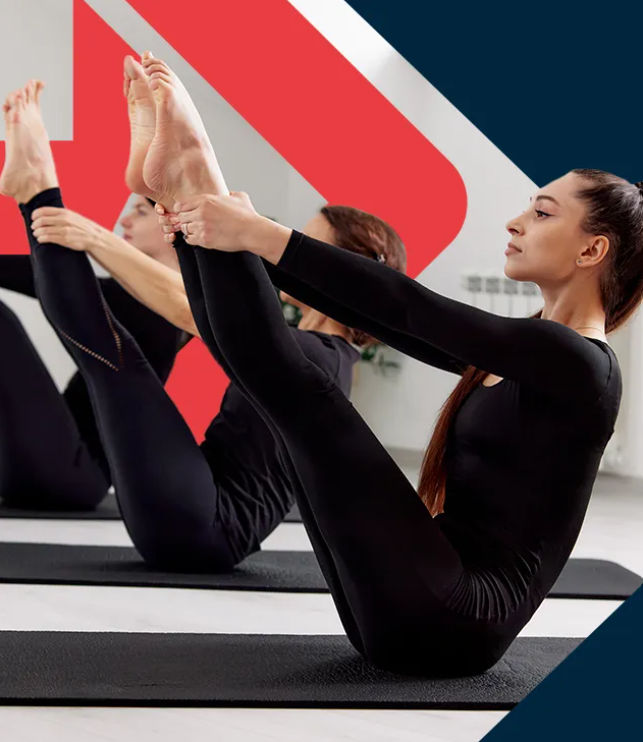 |
Become a Pilates Mat Specialist with our Pilates Mat course (worth 2.3 ACE CECs): This course covers anatomy, biomechanics, adaptations, postures, movement principles, modifications and contraindications, plus a complete breakdown of each Pilates exercise and effective teaching techniques. |






 by
by