




 by
by |
Key Takeaways This expert Q&A explores the idea that longevity and healthspan begin in childhood, with the development of fundamental movement skills that set children up for a lifetime of physical activity. Here are some key takeaways from this insightful conversation:
Ready to inspire the next generation to lead healthier, more active lives? Become an ACE Youth Fitness Specialist (worth 2.5 ACE CECs). |
The terms longevity and healthspan have become commonplace in conversations about aging healthfully, and for good reason. Retaining independence and the ability to perform activities of daily living are essential to maintaining the quality of life most of us desire as we grow older. Most of these conversations center on adults and older adults, but Avery D. Faigenbaum, EdD, argues that habits developed in childhood help set the stage for healthy living decades later.
 |
Avery D. Faigenbaum, EdD, is a Full Professor in the Department of Kinesiology and Health Sciences at The College of New Jersey. His research interests focus on pediatric exercise, resistance training and long-term activity development. He has co-authored numerous scientific articles, dozens of book chapters and 10 books, including Essentials of Youth Fitness. He is a Fellow of the American College of Sports Medicine, the National Academy of Kinesiology and the National Strength and Conditioning Association. Dr. Faigenbaum was awarded the Boyd Epley Lifetime Achievement Award from the National Strength and Conditioning Association for his enduring contributions to improving the health, fitness and performance of children and adolescents through innovative practices and scientific discoveries. He is also a member of the ACE Scientific Advisory Panel. |
You’ve said that longevity and healthspan, which are often discussed in the context of older adults, actually begin in childhood. What do you mean by that statement?
When most people hear the words longevity or healthspan they picture someone in their 70s or 80s trying to preserve independence and quality of life. Yet, the biological and behavioral foundations of healthy aging are established decades earlier. Childhood is a period of remarkable plasticity, when movement skills, physical activity habits and healthy eating behaviors begin to take shape. These early experiences can influence how children move, play, make food choices and ultimately care for their health throughout life.
A child who develops strength, movement competence and healthy nutritional habits is more likely to carry those behaviors into adolescence and adulthood. Those early investments can influence cardiometabolic health, musculoskeletal function and resilience decades later. In many ways, the path toward a healthier adulthood begins in childhood with opportunities for physical activity, sound nutrition and overall well-being.
What are some of the foundational skills or habits that children can develop that will reap rewards later in life?
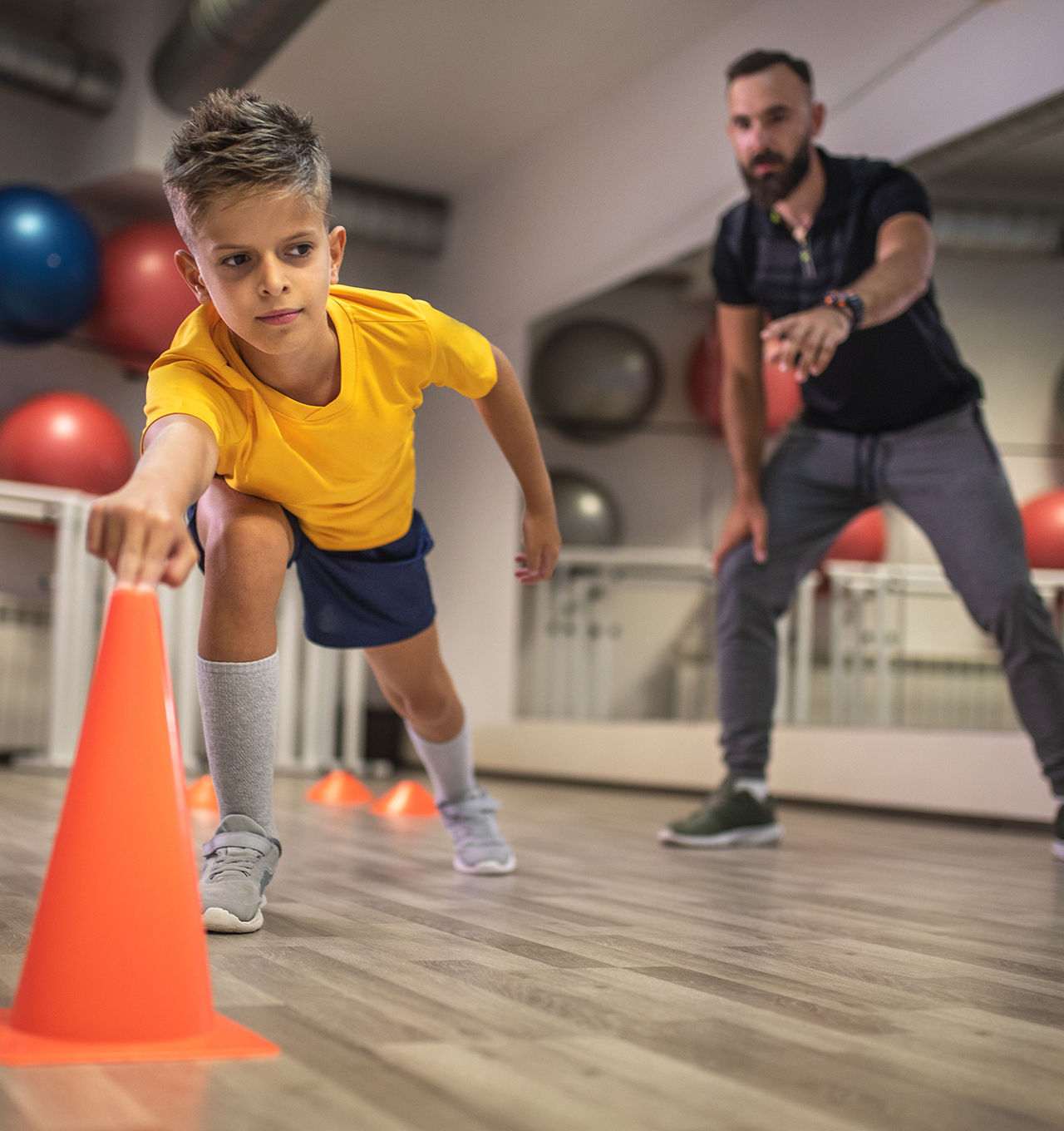
While regular physical activity is important, I would place even greater emphasis on developing the underlying skills and habits that make an active lifestyle sustainable. Fundamental movement skills are the building blocks of human movement. Skills such as running, jumping, throwing, catching, balancing and climbing provide the foundation for participation in free play, exercise, sports and everyday physical activities. Equally important is the development of muscular strength. Strength is often viewed as a secondary consideration in youth health and physical activity, but in many respects it is a prerequisite for ongoing participation in exercise and sport. Children who are stronger frequently find movement easier and more enjoyable.
Beyond physical abilities, childhood is also a critical time to establish healthy routines and attitudes. Learning to enjoy being active, making nutritious food choices, limiting excessive screen time, prioritizing sleep and viewing physical activity as a normal part of daily life can have lasting effects. Interestingly, many of these behaviors cluster together. Children who feel capable and confident in their bodies are often more willing to engage in physical activity, which reinforces healthy habits and creates a positive trajectory that can extend well into adulthood.
Is there an optimal age at which youth should begin performing structured exercise?
By approximately 5 to 7 years of age, many children have developed the attention span, ability to follow instructions and social skills needed to participate in organized sports and other structured exercise programs. That said, there is no evidence-based minimum age at which children suddenly become "ready" to exercise. Readiness depends on the individual child.
The key is to match the activity to the child's developmental level, emphasize skill development and positive experiences, and foster a lifelong appreciation for physical activity rather than focusing exclusively on performance outcomes. In many ways, the goal is not simply to start children exercising at an early age, but to help them develop the competence and confidence needed to remain physically active throughout life.
How might having an understanding of the concept that healthspan begins in childhood be beneficial for exercise professionals? How could that affect their programming or how they communicate with youth and their families?
Understanding that healthspan begins in childhood can fundamentally change how exercise professionals approach their work with youth and their families. Rather than focusing primarily on short-term outcomes such as sport performance, weight management or fitness test scores, exercise professionals can view each interaction as an opportunity to build the physical, behavioral and psychological foundations for lifelong health. This perspective places greater value on developing movement competence, confidence and enjoyment of physical activity during the growing years when habits are taking shape.
It can also influence how exercise professionals communicate with children and their families. Parents are often motivated by immediate goals, such as athletic success or maintaining a healthy body weight, but exercise professionals can help broaden the conversation. Learning to move well, becoming stronger, developing healthy routines and enjoying physical activity are not simply childhood achievements. They are investments that may influence health decades later. When families understand that today's activities are helping to shape tomorrow's healthspan, the focus often shifts from seeking quick results to supporting long-term development.
What is the biggest misconception parents have about exercise and children?
One of the biggest misconceptions is the belief that children will simply outgrow poor motor skills, muscular weakness or a reluctance to be physically active. While growth and maturation naturally contribute to improvements in physical capacity, they do not ensure that children develop optimal levels of movement competence or muscular strength. Like reading, writing or mathematics, movement skills need to be taught, practiced and reinforced over time.
I sometimes hear parents say, "He'll catch up" or "She's just not athletic." Yet, children who struggle with running, jumping, balancing, throwing or other fundamental movement skills are often less likely to participate in games, sports and other forms of physical activity. Over time, this can create a negative cycle in which lower competence leads to less participation, fewer opportunities to practice and further delays in development. With appropriate instruction, encouragement and opportunities to be active throughout the day, children can develop the strength, confidence and movement competence needed to enjoy physical activity and establish behaviors that can influence not only how long they live, but how well they live.
Is there anything else about this topic that you’d like to share with our readers?
I would encourage exercise professionals to remember that children are not simply miniature adults. They are active in different ways and for different reasons. Children thrive on play, exploration, challenge, enjoyment and social interaction. Consequently, youth exercise programs should not simply be scaled down versions of adult programs. Asking children to perform repetitive exercise with little variety or purpose may miss a valuable opportunity to capitalize on how they naturally learn and engage with movement.
The most effective youth programs expose children to a broad range of movement experiences, encourage skill development foster social interactions and create opportunities for success. When children learn to move well, become stronger and feel capable in their bodies, they are more likely to view physical activity as something they can do and enjoy. That perception may be one of the most important outcomes of all, because children who develop confidence and competence early in life are more likely to remain physically active throughout adolescence and adulthood.
 |
If you’re ready to inspire the next generation to live healthier, more active lives, become an ACE Youth Fitness Specialist (worth 2.5 ACE CECs). You’ll gain the expertise to design fun, engaging and developmentally appropriate fitness programs that will build a foundation for lifelong health and well-being. |







 by
by