




Core-Strengthening Exercises That Help Support a Healthy Back

| by in Corrective Exercise
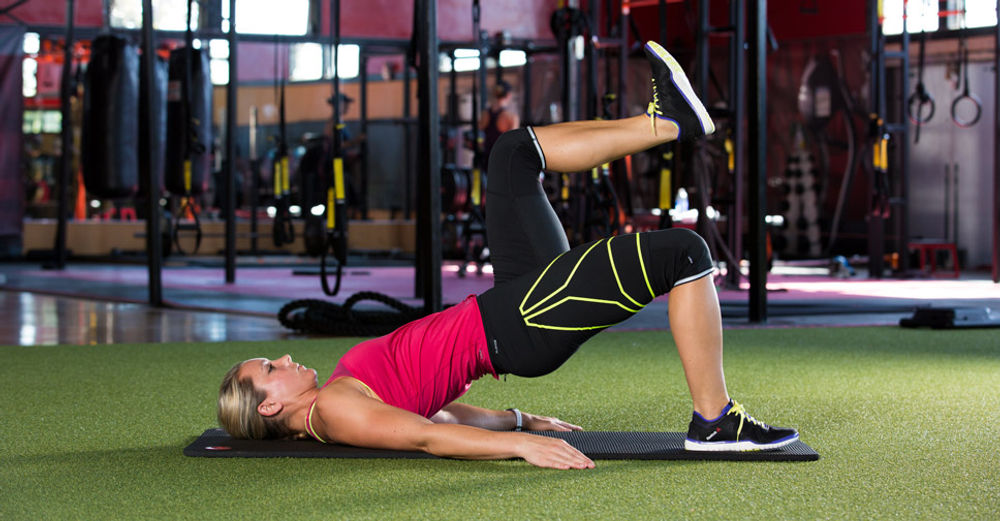
Core-strengthening Exercises That Help With Back Injury Rehab

Most people suffer a back injury at some point in their lives, which is why it is so important to perform exercises that help maintain proper posture, core stability and strength. If you have back pain and have been medically cleared to exercise, here are two progressions designed to first increase your core stability and mobility and then enhance your movement abilities.

Read More

Exercises for Clients with Obesity: Training Progressions to Try

| by in Overweight & Obesity
Exercises for Clients with Obesity: Training Progressions to Try

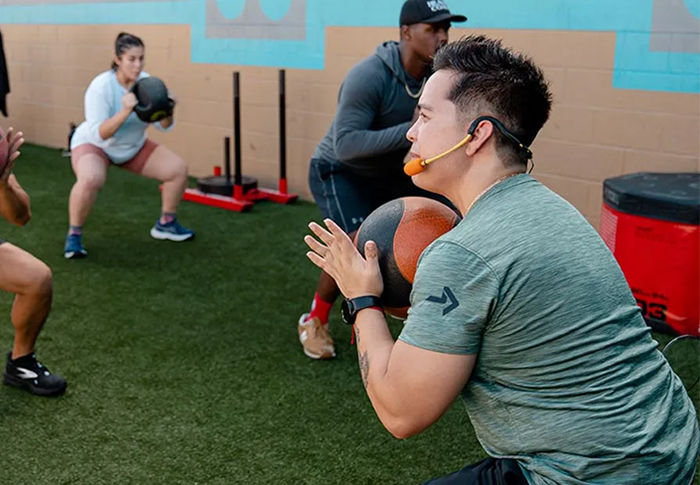
While there is no single right way to train clients who are overweight or have obesity, using regressions can be an effective method to employ. Functional resistance training and training for daily activities is an ideal method to ensure clients connect their exercise gains with life movements. The key is to utilize “precursor” exercises, like the ones presented here, which benefit coordination, stability, mobility and motor control.

Read More

Pilates Ball Core-strengthening Exercises

| by in Fitness
Pilates Ball Core Strengthening Exercises | Expert Fitness Articles | ACE

The Pilates ball is an effective training tool because it promotes core stabilization by adding resistance, which forces exercisers to activate their pelvic floor muscles. These eight Pilates ball exercises, which can be added into an existing routine or performed together in a single workout, are a great way to challenge the deep layers of your core.

Read More

8 Hip-strengthening Exercises Using the Versa Loop

| by in Fitness
8 Hip-strengthening Exercises Using the Versa Loop

Chronic sitting produces a weaker posterior chain, a lack of range of motion, stiff muscles and compensation by using the joints above and below during movement. The following routine, which features the Versa Loop and includes exercises that focus on one or more areas of the hip, can be used for corrective exercise or as part of a client’s regular routine.

Read More

6 Diet and Nutrition Myths Debunked

| by in Nutrition
6 Diet and Nutrition Myths Debunked

“Carbohydrates make you gain weight.” This is one of the many diet myths that abound these days, fueled by food marketing and the diet industry. But what’s really behind these myths? The simplest explanation is usually closest to the truth, and this applies to nutrition, too. When it comes to healthful eating, the key to success is to eat fresh, whole foods and well-balanced meals.

Read More

Exercise Myths vs. Realities

| by in Fitness
Exercise Myths vs. Realities

“You need a sports drink after you work out to help your body recover.” Sound familiar? The world of exercise is cluttered with myths and misperceptions. Many of these myths persist because of the way fitness is portrayed in the media; other myths withstand the test of time because there’s a lot of money behind them. The fitness industry is a multi-billion dollar business, after all. Let’s take a look at six common exercise myths and realities.

Read More

A Basic High-intensity Interval Training Routine for Beginning Exercisers

| by in Cardiovascular Training
A Basic High-intensity Interval Training Routine for Beginning Exercisers

High-intensity interval training (HIIT) continues to be extremely popular, but many programs are too challenging for beginning exercisers. The key to designing HIIT programs for beginning clients is to start simple and gradually progress to more complex movement patterns. Here is a sample workout and some basic guidelines for creating safe and effective HIIT programs for your new participants and clients.

Read More

Strength and Cardio Circuit for Beginning Clients

| by in Program Design
Strength and Cardio Circuit for Beginning Clients

Most cardio circuits alternate between strength and cardio exercises. Beginning exercisers, however, may find this format to be too challenging, especially in relation to their cardiorespiratory fitness level. This UCLA circuit, which focuses on the upper body, core, lower body and cardio, is a great way to introduce this effective training format to beginning exercisers.

Read More

6 Reaction Drills to Enhance Cognitive Processing

| by in Fitness
6 Reaction Drills to Enhance Cognitive Processing

Reaction drills—which involve taking in a sensory input and producing a physical output—are a great way to have fun while also enhancing cognitive processing. These six reaction drills can be used with individuals or during group exercises, and will help stimulate your client’s brain and body, making exercise more challenging and engaging.

Read More

5 Whole Foods to Replace Ergogenic Aids

| by in Nutrition
5 Whole Foods to Replace Ergogenic Aids

Ergogenic aids are purported to give people an edge over their competition, but do you really have to purchase often-expensive potions and pills to boost exercise performance? Not according to ACE pro Elizabeth Kovar, who explains how to choose whole foods that offer many of the same benefits of sports-nutrition supplements in a much healthier—and tastier—form.

Read More

High-Intensity Interval Training Exercises for the Pool

| by in Cardiovascular Training
High-Intensity Interval Training Exercises for the Pool

Integrating high-intensity interval training (HIIT) in the pool is an effective alternative to land training and a great way to add variety to existing water routines. Check out this versatile pool-based HIIT program, which integrates vertical and horizontal methods, and includes optional equipment to progress or assist, depending on the swimming abilities of your clients.

Read More

How Yoga Can Help You Recover from Food Addictions

| by in Lifestyle Medicine
How Yoga Can Help You Recover from Food Addictions

Although yoga is known primarily for its powerful physical benefits, it also offers numerous mental and emotional benefits as well, including reduced stress and increased mind-body awareness. Individuals who struggle with food addictions have often become disconnected from their bodies and use food as means of comfort and escape. ACE pro Elizabeth Kovar argues that yoga’s mind-body benefits make it a useful tool in the process of recovering from food addictions.

Read More