





ACE Announces the 2026 ACE Global Virtual Conference

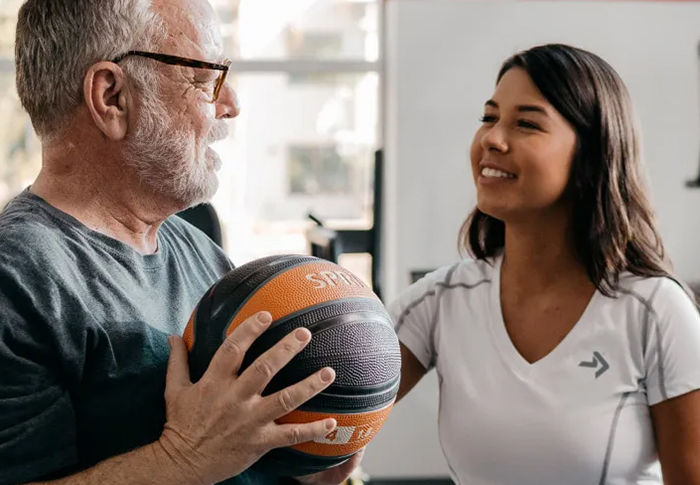
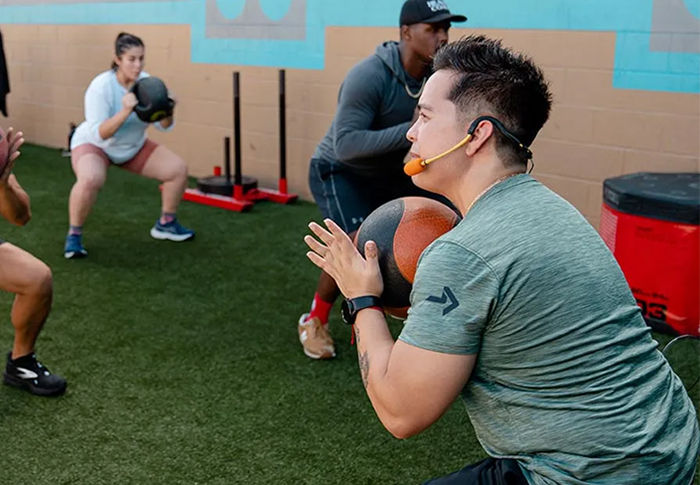
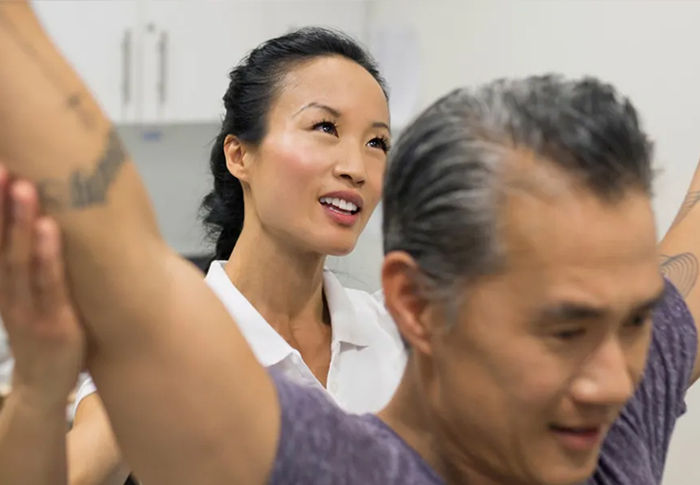
ACE is excited to introduce the 2026 ACE Global Virtual Conference, which will offer tailored learning experiences for personal trainers, group fitness instructors, health coaches and facility owners. Learn more and enroll here.
Read MoreEvaluating Weight-Loss Diets with 9 Simple Questions

Evaluating diets can be tricky. Consider these 9 questions, which combine common sense with evidence-based nutrition, before starting a weight-loss diet.
Read MoreACE and Eden Health Announce Partnership to Advance Education on Obesity Medications for Fitness Professionals
New course equips personal trainers and health and exercise professionals with evidence-based strategies to support individuals using GLP-1 and other obesity medications.
Read MoreWhat Happens to Your Body When You Stop Working Out for Days, Weeks, and Months? (Outside Magazine)
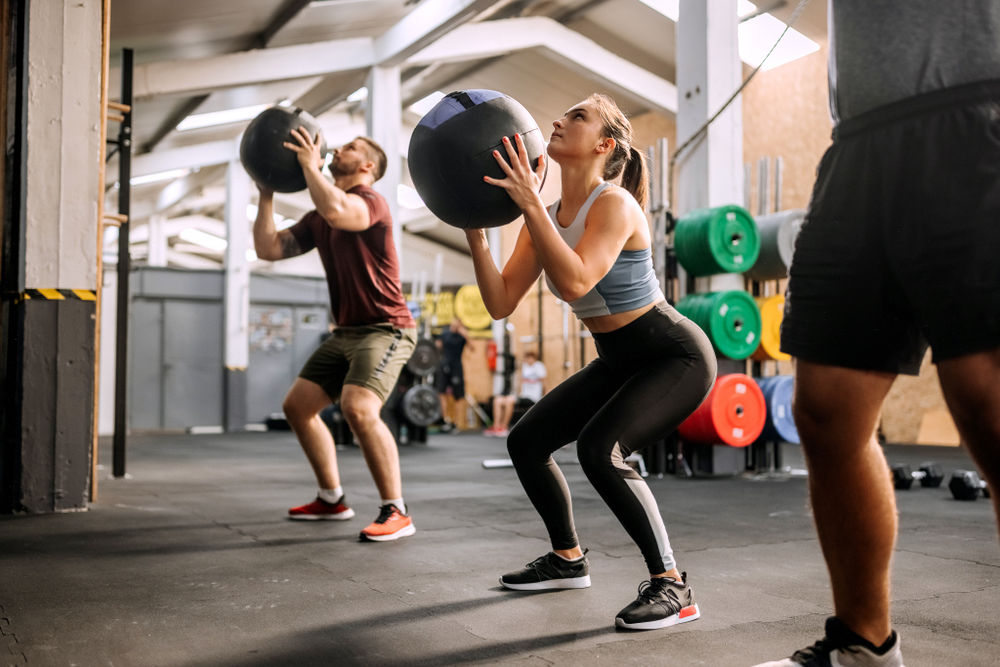
“Our bodies are incredibly adaptable,” Jacque Crockford, director of product development at the American Council on Exercise (ACE), told Outside. “They adapt both to the exercise we do and to the exercise we stop doing.” If you’re an athlete, you likely know that brief breaks, including both rest days and periods of low-intensity movement, are essential for recovery, allowing you to avoid injury and ultimately optimize performance.
Read MoreAll About Barry’s Bootcamp, A Group HIIT Workout (Health Digest)
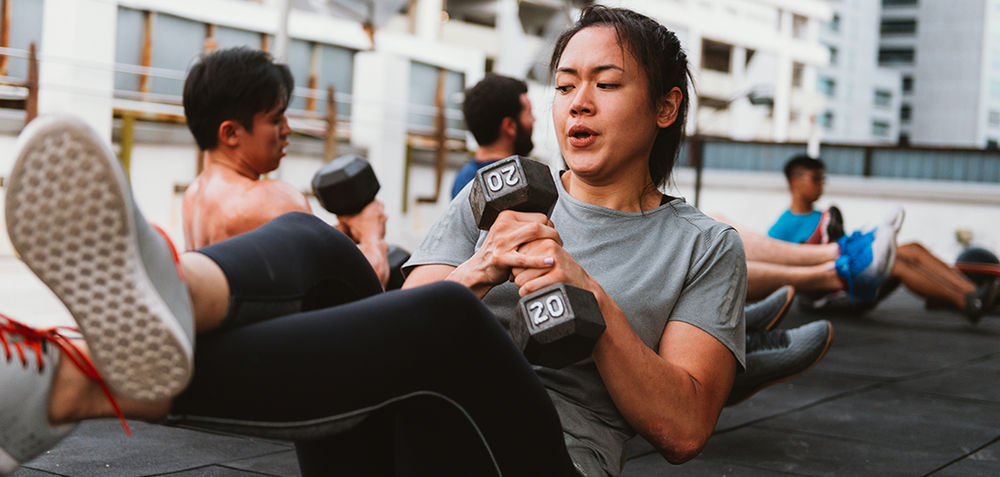
All in all, as described by the American Council on Exercise (ACE), Barry’s Bootcamp is best suited for people who like to be challenged with an intense workout while being coached by an instructor in a motivating and supportive high-energy group environment.
Read MoreTeaching Mat Pilates: A Practical Approach
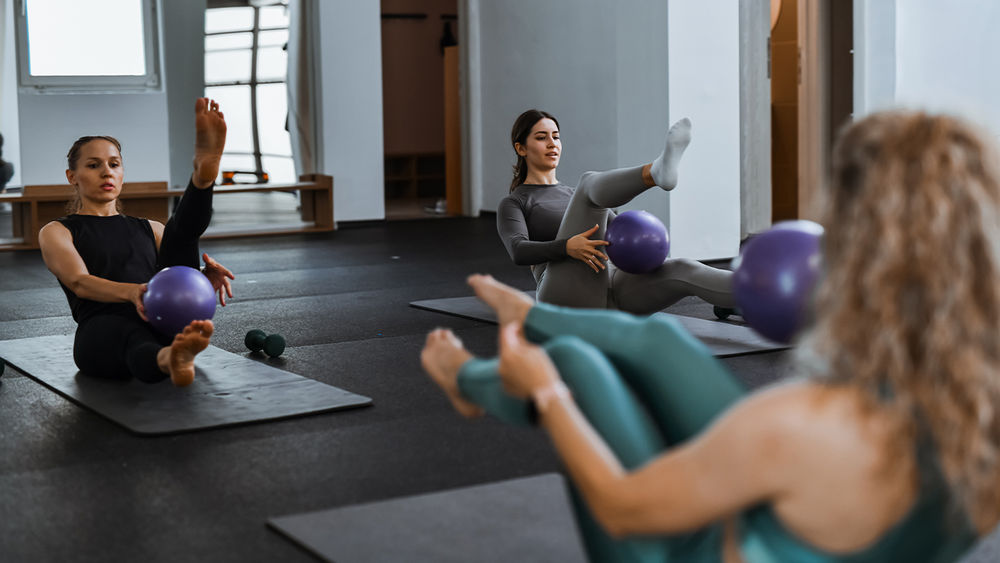
Teaching mat Pilates requires modifying or progressing movements based on what you observe as participants move. Learn more about this practical approach from this insightful webinar clip.
Read MoreInspire360 Launches First-Ever Education Grant for YMCAs to Strengthen Workforce Development (Fitt Insider)
Inspire360 today announced the Inspire360 Education Grant for YMCAs, the first education grant built specifically for YMCA workforce development. Selected Ys will receive six to twelve months of Inspire360 Club service at no charge, giving their trainers access to a continuing education library valued at $16,000 per trainer, with education from TRX, Functional Movement Systems (FMS), Exos, and the American Council on Exercise (ACE).
Read MoreHow Many Steps You Should Walk Each Day for Weight Loss, According to Experts (Prevention)
“Counting steps is useful because you can monitor yourself every day, but if the number of steps are your primary driver, you may not make the gains you expected,” says Anthony J. Wall, senior director, global business development for the American Council on Exercise (ACE) and a certified personal trainer. “What’s effective is the frequency, intensity and duration of your activity..."
Read MoreProtein: Recommendations, Myths and Real-World Application
Protein is at the forefront of conversations about nutrition at the moment, so it’s important to be able to separate myth from fact. In this clip from a recent ACE/AND webinar, you’ll learn the truth about protein timing.
Read MoreNavigating the New Era of Weight Loss: Supporting Clients on Obesity Medications
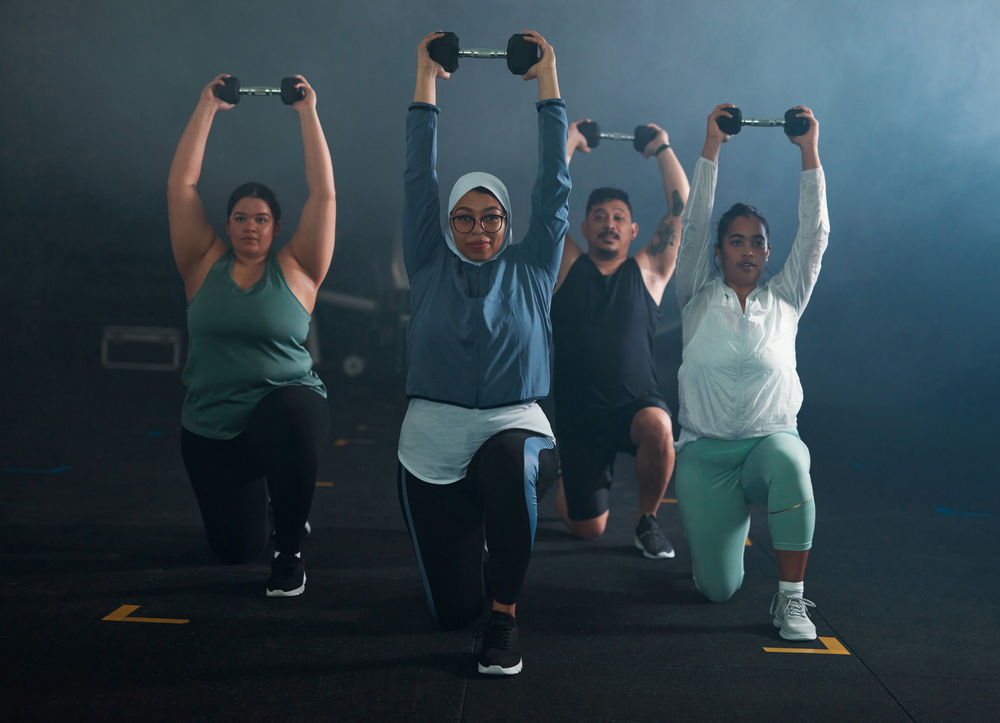
Drugs like Ozempic are here to stay, but what does this mean for health coaches and exercise pros? Read about emerging research and some practical tips for working with clients taking drugs for weight loss
Read MoreToo Little, Too Much: Finding the Sleep Sweet Spot for Healthy Aging

Sleep is a core driver of healthy living, and new research suggests that duration may play an important role in how the body ages. Learn what a large study of biological aging clocks reveals about the potential sleep “sweet spot” and how you can use these findings to help clients think more broadly about sleep, recovery and aging well.
Read MoreIs Sparkling Water Bad for Your Teeth? What New Research Suggests

Sparkling water has become a popular alternative to soda, but what does all that carbonation mean for your clients’ teeth? New research comparing sparkling water, sugar-sweetened soda and plain water offers some reassuring findings—and practical insights you can use to help clients make informed beverage choices without stepping outside your scope of practice.
Read MoreAmerican Council on Exercise and The Not Old Better Show Win Gold in 2026 National Mature Media Awards
Live Long Better earns national honors for bringing practical exercise science, strength and healthy-aging guidance to adults 50+
Read MoreBlood Flow Restriction Strength Training: Meaningful Results with Lighter Loads
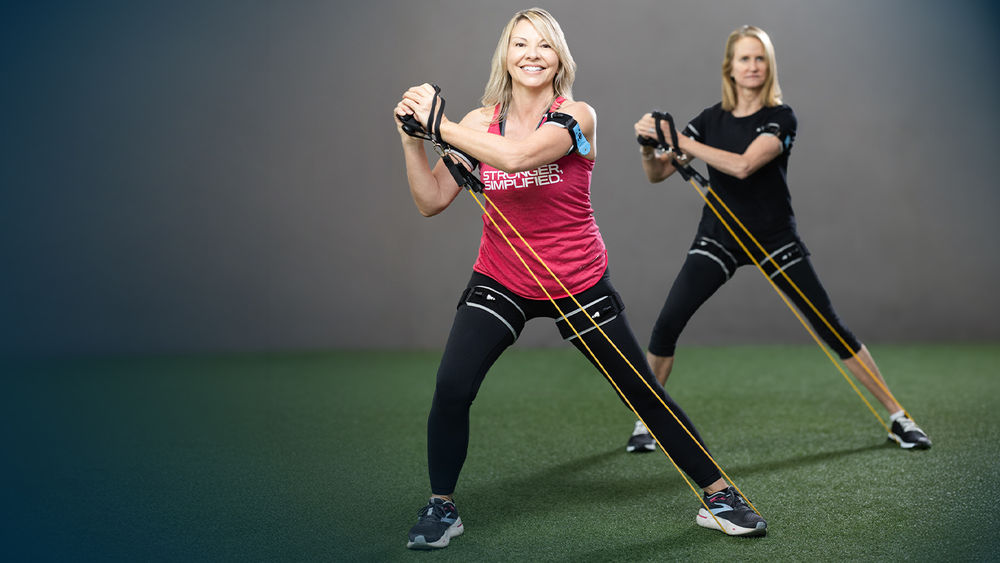
Blood flow restriction training can provide strength and muscle adaptations using lighter loads. Learn more about this evidence-informed approach from this insightful webinar clip.
Read MoreACE Wins Gold at the 2026 Brandon Hall Group Excellence Awards for Best Association Professional Development Program
Recognition highlights the ACE commitment to equipping health and exercise professionals with evidence-based education that supports healthier lives for all
Read MoreStrength Training for Cyclists: 3 Sample Workouts
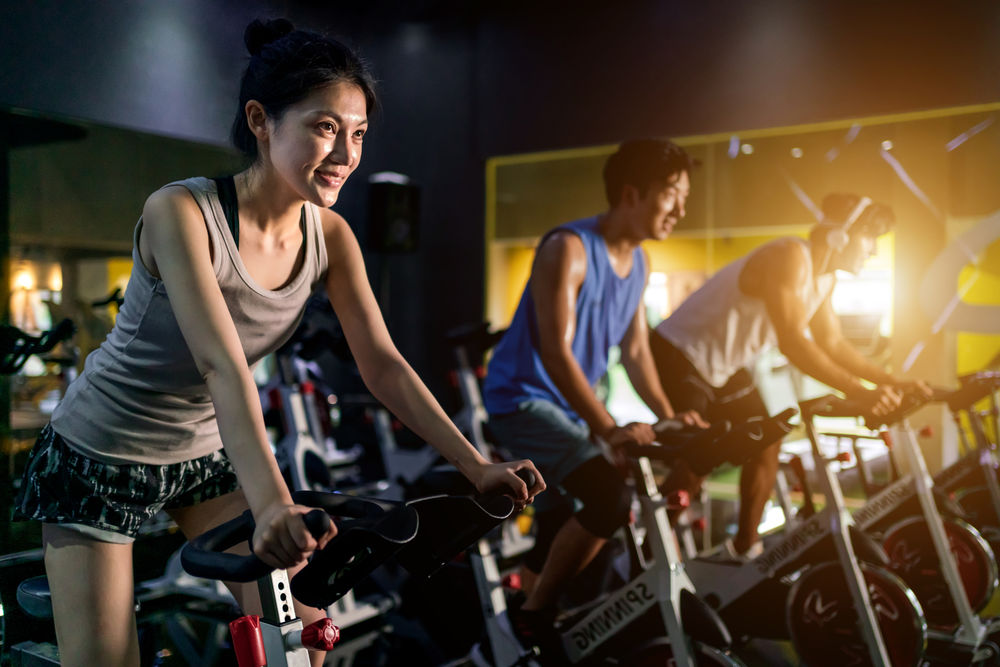
Strength training for cyclists should focus on preventing overuse injuries and improving cycling efficiency. Check out these 3 sample workouts.
Read MoreACE-Sponsored Study Finds ACE Mover Method Significantly Improves Healthy Eating Habits and Cardiometabolic Health Risk Indicators
Research demonstrates that client-centered communication strategies can help exercise professionals support meaningful behavior change beyond the gym
Read MoreWhat Is the ‘Paper Towel Effect’ During Weight Loss? An Expert Explains (Today)
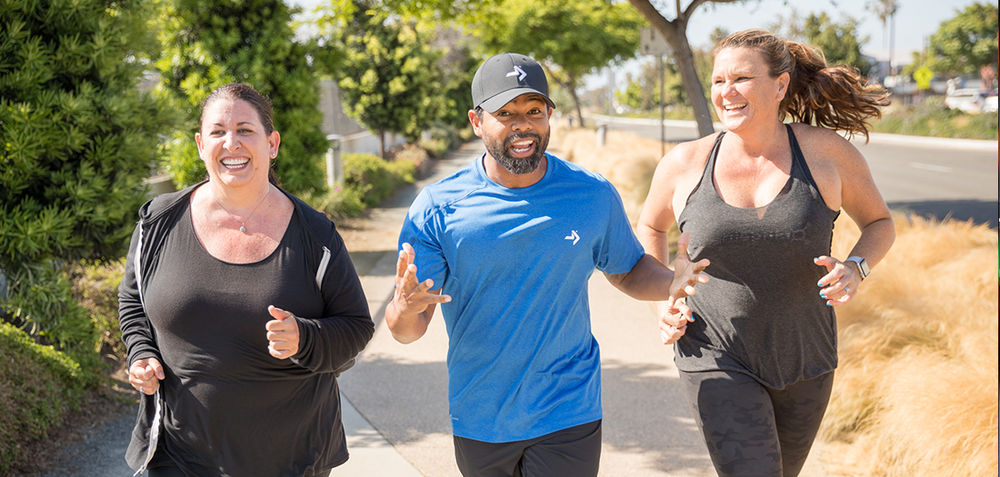
Instead, it “serves as an accessible way to explain why changes in body shape and appearance often become more noticeable as someone loses body fat over time,” Cedric X. Bryant, Ph.D., chief executive officer at the American Council on Exercise, tells TODAY.com.
Read MoreACE Partners with CoreFit Collective to Launch CoreFit Cycle Powered by Schwinn Instructor Training
The course equips exercise professionals with performance-based coaching tools to meet evolving participant expectations
Read MoreBest Jobs for Retirees (Kiplinger)
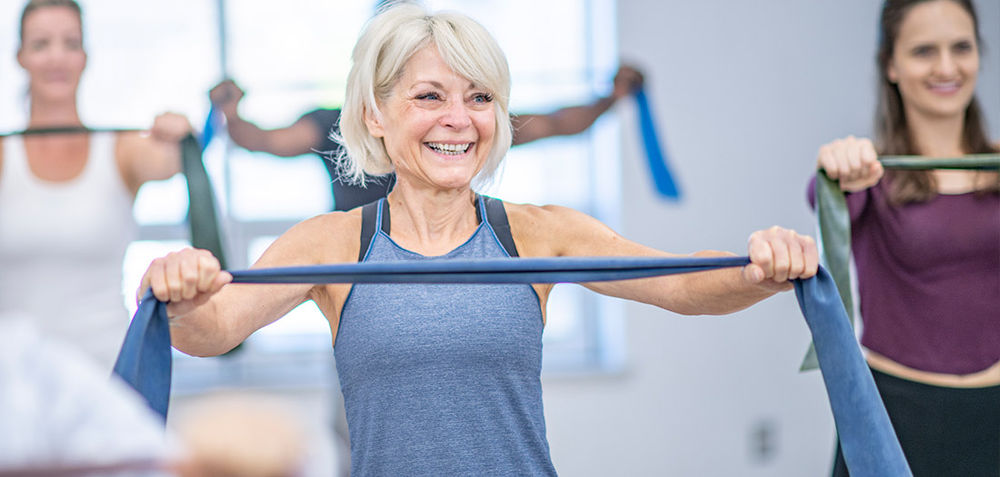
If you want a sanctioned job at a fitness facility, get your certification. That could come from the American Council on Exercise (ACE).
Read MoreACE Pro Spotlight: Avril Shepherd
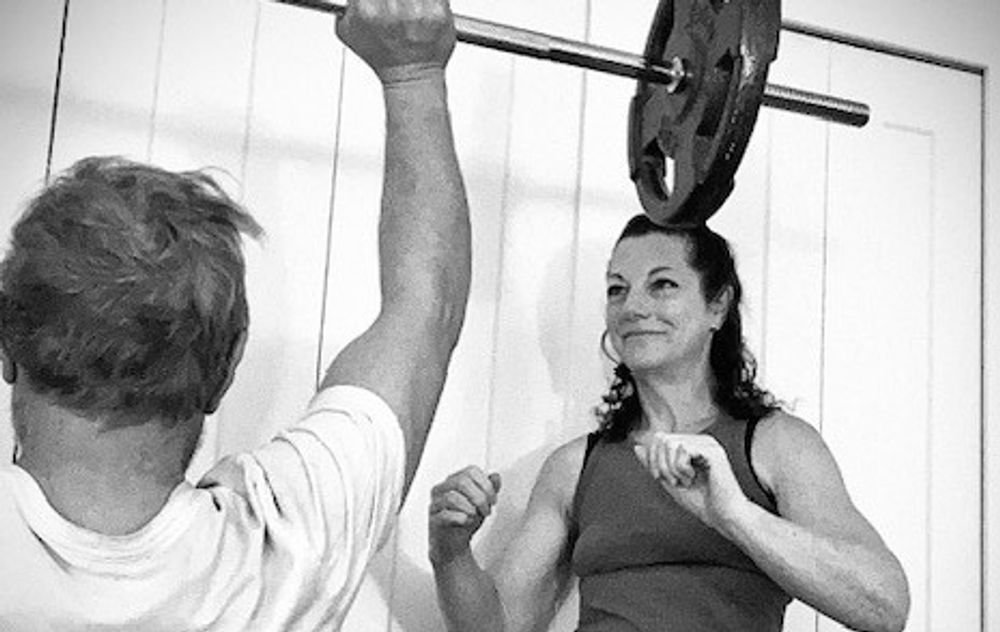
Avril’s journey into health and fitness began in her early 40s when she found herself facing declining health, high blood pressure, and the possibility of starting medication. Rather than accepting that outcome as inevitable, she made the decision to take control of her health through exercise and lifestyle changes.
Read MoreHow Much Caffeine Is Too Much? New Evidence on Coffee, Energy Drinks and Heart Health

Caffeine is part of many clients’ daily routines, but its effects can vary widely depending on the source, dose and individual response. Explore the latest American Heart Association findings on coffee, energy drinks and cardiovascular health, along with practical guidance for discussing caffeine use, recognizing potential concerns and making appropriate referrals without exceeding your scope of practice.
Read MoreAging With Possibility: How Positive Age Beliefs May Support Health and Function
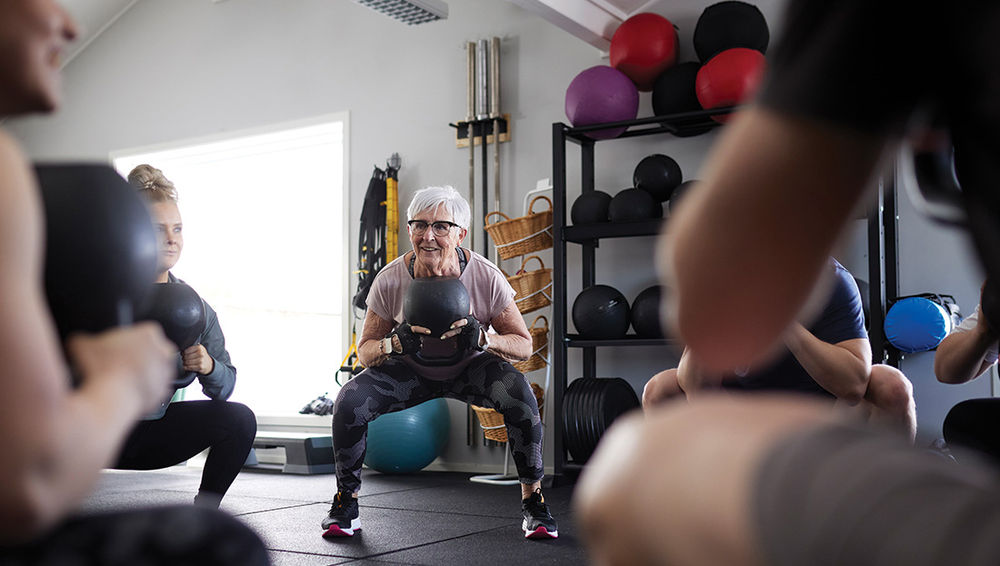
Aging is often presented as a steady path of physical and cognitive decline, but new research reveals a more encouraging range of possibilities. Discover how positive age beliefs may relate to later-life improvement and how you can use supportive language, meaningful goals and appropriately challenging programming to help older clients recognize and build on their capacity for growth.
Read MoreCreatine and Depression: What the Evidence Really Shows
Creatine is widely known for its muscle-building benefits, but emerging claims about its effects on depression have generated both interest and confusion. Explore what a recent systematic review actually found, where the evidence falls short and how you can respond to clients’ questions with evidence-based findings.
Read More6 Easy Ways to Move More While Working from Home (Time)

Remote work creates a particularly sedentary environment. There’s no need to walk from your front door to the car or train station. There are no aisles of cubicles to maneuver on your bathroom break or colleagues to stand around with at the water cooler. “We're just sitting there in front of the screen by ourselves,” says Mary Jayne Rogers, an exercise physiologist based in Albuquerque, who’s on the certification advisory board of the American Council on Exercise.
Read More6 Easy Ways to Move More While Working from Home (Time)
At most desk jobs, you’ll be sitting down for the majority of the day. But remote work creates a particularly sedentary environment. ... “We're just sitting there in front of the screen by ourselves,” says Mary Jayne Rogers, an exercise physiologist based in Albuquerque, who’s on the certification advisory board of the American Council on Exercise.
Read MoreLifestyle Behaviors and Brain Health: Strategies for Coaching Older Adults
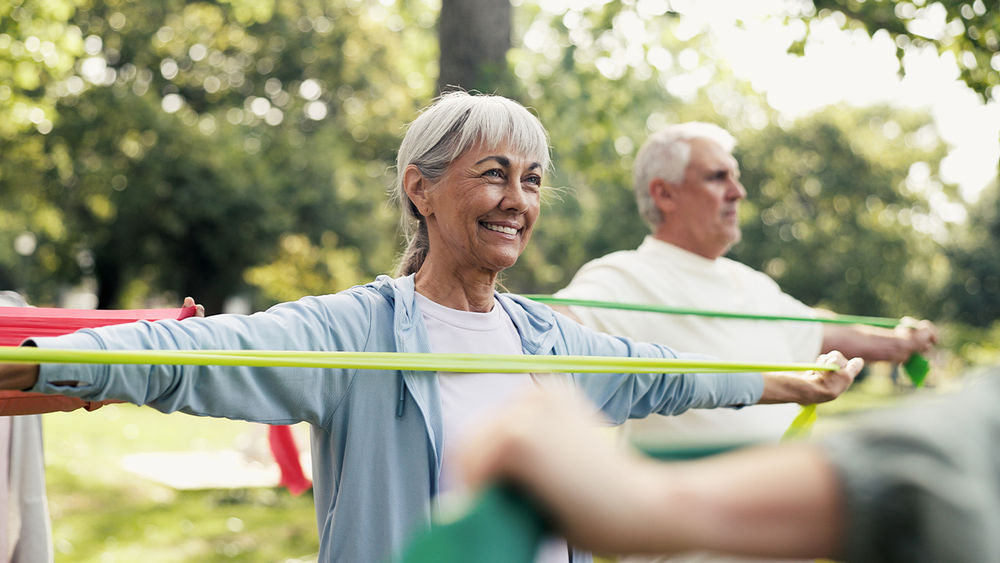
Explore the connection between lifestyle behaviors and brain health, as well as practical strategies to use when coaching older adults. Learn more from this insightful webinar clip.
Read MoreInclusive Fitness Experiences for Individuals with Intellectual and Developmental Disabilities
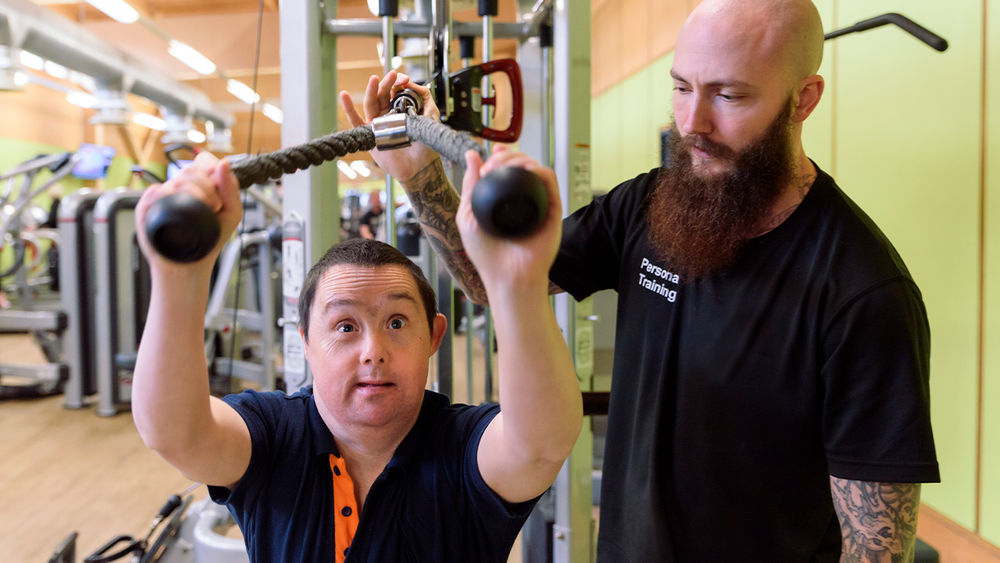
Creating inclusive fitness experiences for clients with intellectual and developmental disabilities requires practical coaching skills and a deep understanding of the individuals you serve. Learn more from this insightful webinar clip.
Read MoreMatrix Fitness Announces 2025/2026 Project COURAGE Scholarship Recipients (Campus Rec Magazine)
Earlier this year, Matrix Fitness expanded Project COURAGE opportunities through a partnership with the American Council on Exercise (ACE), increasing access to fitness-related certifications in the Project COURAGE network.
Read MoreWhy You Should Try Exercising on the Beach (The New York Times)

You should also hydrate before, during and after exercising on the beach, rather than relying on when you feel thirsty, said Cedric Bryant, an exercise physiologist and the chief executive of the American Council on Exercise. You will be exposed to direct sunlight on the beach, along with heat reflected off the sand and water, even on cloudy days, he said, which can put you at risk for overheating and dehydration.
Read MoreACE CEO Cedric X. Bryant to Be Inducted Into National Fitness Hall of Fame (Athletech News)
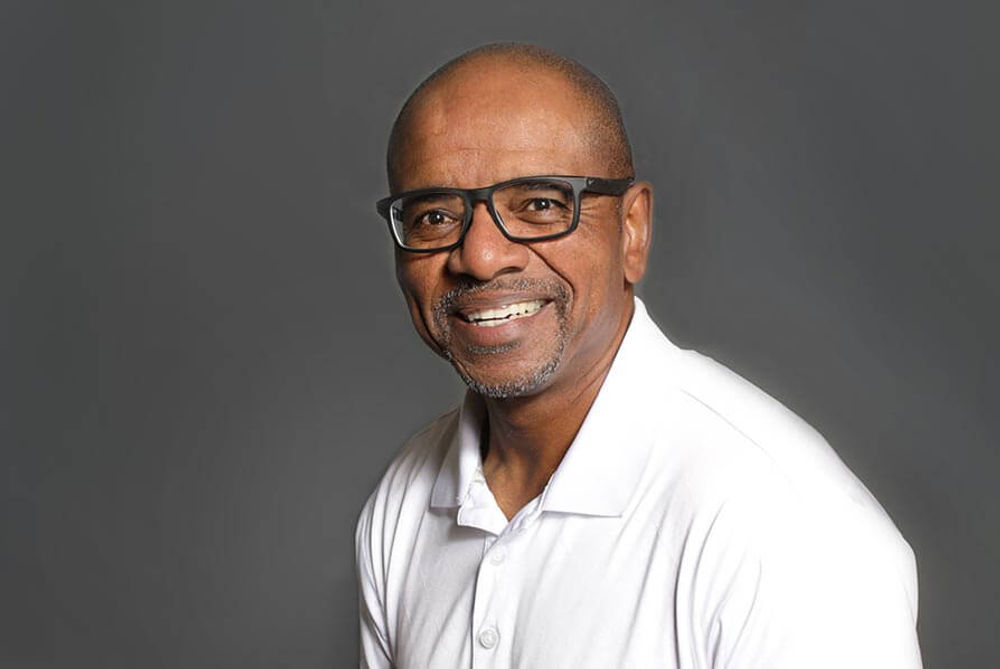
American Council on Exercise (ACE) CEO Cedric X. Bryant will be inducted into the National Fitness Hall of Fame later this summer, recognizing a career spent helping shape exercise science, professional education and the growing intersection between fitness and healthcare.
Read MoreACE CEO to Be Inducted into the National Fitness Hall of Fame
Cedric X. Bryant, PhD, FACSM to be honored for decades of leadership and impact in advancing health, fitness, and professional education.
Read MoreThrow, Catch, Slam: Smarter Medicine-Ball Training
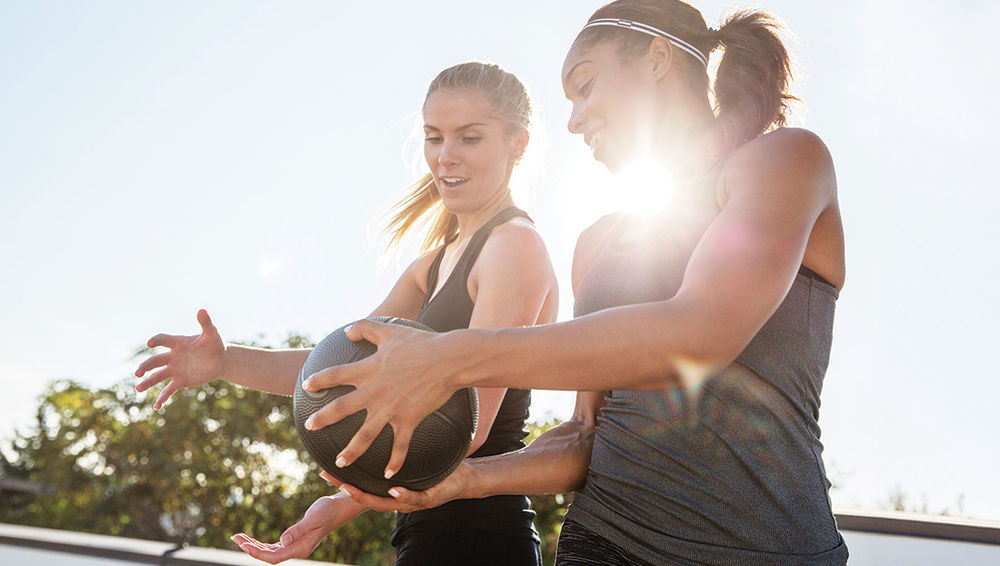
Medicine balls can do far more than add variety to a workout. Learn how to use throws, slams, carries and catches to build power, coordination, control and confidence, with practical exercise progressions that help you match each movement to the client’s goals and abilities.
Read MoreEnough to Matter: Rethinking the Strength Training Dose
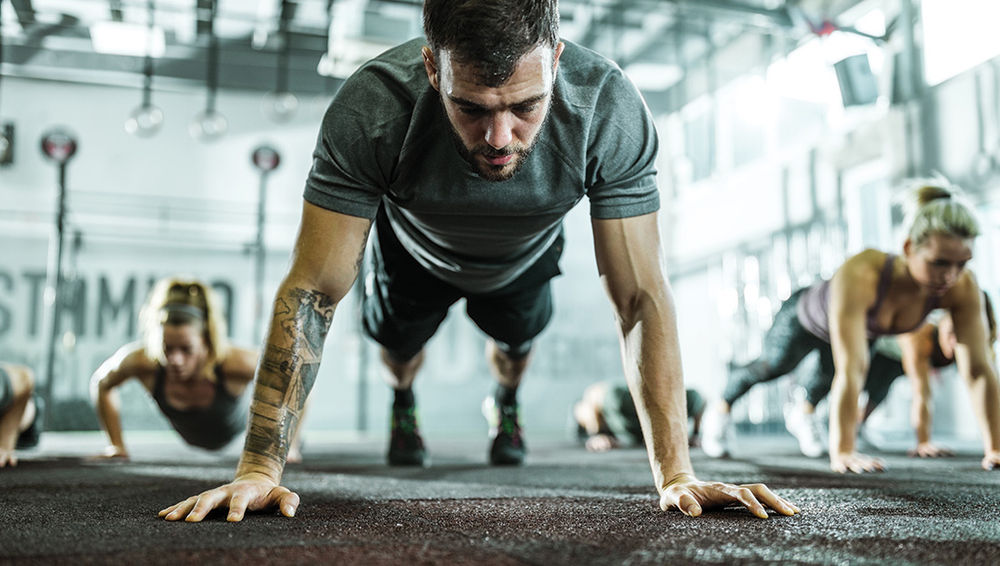
Many clients know strength training is good for them, but they are less sure how much they actually need to do. New long-term research suggests that roughly 90 to 120 minutes of resistance training per week may be a meaningful, realistic target for longevity, especially when paired with regular aerobic activity.
Read MoreExec Moves (Athletech News)

The American Council on Exercise (ACE) announced that Dr. Antonio S. Williams has assumed the role of Chair of its Board of Directors, effective July 1. ACE also announced the appointment of Jaclyn Byrer, MA, MA, and Ingrid Knight-Cohee, MSc, to its Board of Directors.
Read More“GLP-1s are changing obesity care, but they’ve also created unrealistic expectations”—the CEO of the American Council on Exercise on common weight loss misconceptions (Fit & Well)
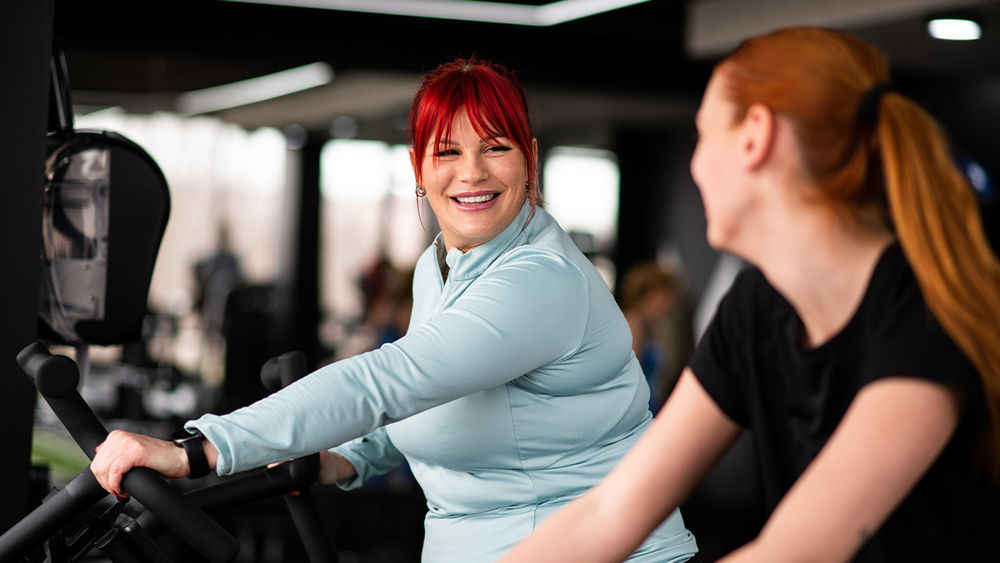
GLP-1s have undoubtedly shaken up the fitness industry and preconceived notions about how best to lose weight. According to the CEO of the American Council on Exercise (ACE), they have also “created confusion, unrealistic expectations and a growing amount of misinformation”.
Read MoreACE Announces Dr. Antonio S. Williams as Board Chair and Appoints Two New Members to Board of Directors
Williams assumes board leadership role as Byrer and Knight-Cohee join the ACE Board of Directors.
Read MoreZoe Ball, 55, Tried a Week of Daily Rebounding – This Is Why NASA Rated It More Effective Than Running (Women's Health)

It burns calories and can aid weight loss: On average, women burn 9.4 calories per minute while on a rebounder, which is approximately equivalent to running six mph on flat ground or biking at 14 mph, according to the American Council on Exercise. In part due to the calorie burn, rebounding can help promote weight loss, according to a 2018 study in The Journal of Sports Medicine and Physical Fitness.
Read More"GLP-1s Are Changing Obesity Care, but They’ve Also Created Unrealistic Expectations"—The CEO of the American Council on Exercise on Common Weight Loss Misconceptions (Fit + Well)
According to the CEO of the American Council on Exercise (ACE), they have also “created confusion, unrealistic expectations and a growing amount of misinformation”.
Read MoreEmpowering Lives through Movement: Our Partnership with The Phoenix

Volunteers from The Phoenix talk about what they gained from the ACE Community Physical Activity Leader course. Read their inspiring stories.
Read More



Get in the Know
Stay connected with us to get the latest health and fitness news, innovative workouts, healthy recipes and wellness tips.

