



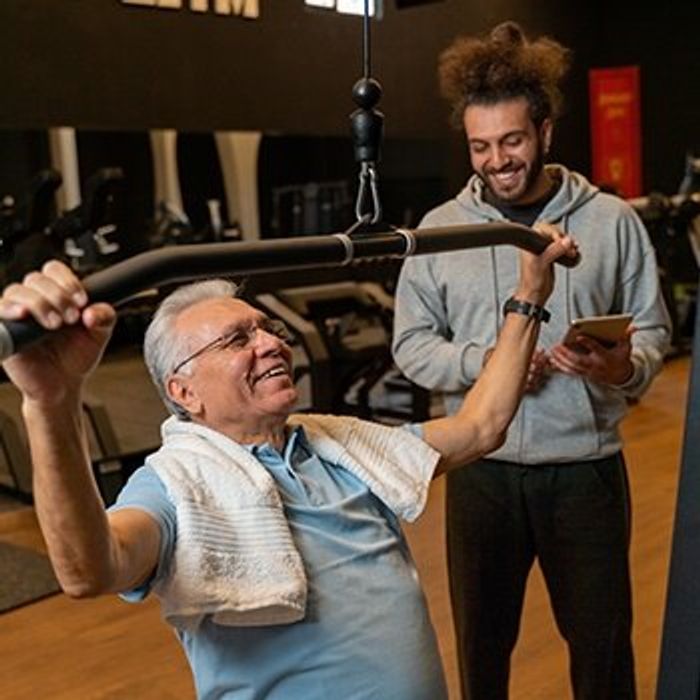

Ageism can quietly limit older adults’ participation, confidence, and long-term engagement in physical activity—often without fitness professionals realizing it. While most training programs emphasize physiology, far less attention is given to the beliefs, biases, and cultural messages that influence how older adults are perceived, programmed for, and supported in movement spaces. These biases can show up in subtle but powerful ways, including language choices, marketing imagery, class design, exercise selection, and the expectations set for clients.
A 2022 World Health Organization report found that 1 in 2 people hold ageist attitudes, which have been linked to shorter lifespan, poorer physical and mental health, reduced quality of life, and increased social isolation. This engaging live webinar, led by Erin Eleu, BS, ACSM-CPT, group exercise instructor, and age-positive movement advocate, equips health and fitness professionals with the tools to recognize and dismantle ageism—both internally and within the environments they create.
Designed for health and exercise professionals who work with or want to work with older adults, as well as club managers, program directors, senior living activity directors, and park and recreation leaders, this live webinar reframes aging as a dynamic, capable, and highly individual process. By shifting mindset, language, and programming, this live webinar helps professionals build stronger trust, improve engagement and adherence, and position themselves as leaders in the growing longevity and active aging space.
Upon completion, you will be able to:
-
Describe how ageist beliefs and stereotypes appear in fitness and wellness settings and summarize their influence on older adults’ motivation, confidence, and participation.
-
Apply reframing strategies, coaching prompts, and communication techniques to effectively address ageist thinking in consultations, program planning, and day-to-day client interactions.
-
Implement inclusive, empowering language and outreach strategies that authentically connect with older adults and reflect their strengths, goals, and diverse abilities.
-
Design adaptable programs and class experiences that meet a wide range of abilities, needs, and outcomes while supporting safety, progression, and long-term adherence.
-
Create movement environments that celebrate aging, promote psychological safety, and encourage meaningful connection, including opportunities for intergenerational engagement.