





Sale!
Sale •Sale •Sale •Sale •Sale •Sale •Sale •Sale •Sale •Sale •Sale •Sale •Sale •Sale •Sale •Sale •Sale •Sale •Sale •Sale •
ACE Certified
Personal Trainer
Study Program
Ready to turn your passion for fitness into a career?
The ACE Personal Trainer Certification Study Program gives aspiring trainers everything they need to succeed. With top-tier learning materials, smart technology, personalized support, and interactive experiences, you'll be fully prepared to earn your certification and confidently guide clients toward better health and fitness.
Starting at $49 today!
Compare Programs
Build the knowledge and skills to succeed
ACE self-paced, online study programs give you the foundational knowledge and practical skills to coach clients safely and effectively, setting you up for a rewarding and meaningful role in health and fitness.
Prepare confidently for certification
ACE Study Programs are designed to help you prepare for your exam through high-quality, evidence-based content, proven study methods, and dedicated support—so you can approach your exam with confidence.
Gain a competitive edge in health & fitness
Earning an ACE Credential sets you apart in an unregulated industry, opening the door for you to turn your passion into a profession, making a real impact on the lives of those in your community.
Choose your Personal Trainer Program
Sale!
Advantage

Career pathways
The ACE Personal Training pathway offers two credential options designed to support you at different stages of your career journey. The ACE Certificate is ideal for those exploring personal training as a potential profession, providing a strong foundation to begin working in health and fitness while leaving room for future growth. For those ready to fully commit to personal training as a career, the NCCA-accredited Certification represents a next-level credential that can open doors to top facilities and higher earning potential, helping you establish yourself as a trusted professional in the industry.
Explore PathwaysHow it works
 1. Choose your study program

 2. Complete your coursework
 3. Pass your ACE Exam
Earn the most recognized personal trainer certification that opens doors.
Just some of what you can do:
- Virtual Coach/Online Trainer
- Athletic Coach
- Fitness Director
- Gym Owner/Self-Employed
- Corrective Exercise & Injury Prevention Specialist
Countless places you can work:
- Gym/Health Club
- Fitness Studio
- Healthcare/Outpatient Clinic
- Community Center
- University/Campus

Get paid to do what you love!
$76,000 average annual income
with a range of $59K - $98K
according to Glassdoor.com
12% expected increase
in Personal Trainer Employment between 2022-2034
U.S. Department of Labor
What you'll learn with the ACE Personal Trainer Study Program
The ACE Personal Trainer Study Program gives you the skills to design and apply personalized exercise programs based on your clients' goals, abilities, and needs. Through the ACE Integrated Fitness Training® (IFT®) Model, you'll learn a structured, science-driven framework for assessing clients and progressing them safely at every fitness level and stage of readiness. The program blends evidence-based exercise science with the ACE Mover Method™, our signature behavior-change philosophy, helping you stand out as a compassionate trainer who empowers clients to lead their own fitness journey.


90,000 ACE Certified Pros, 35 Million Lives Moved!
"ACE has transformed my life. I have found something that is more than a job and am able to help people in ways I could have never imagined. I am extremely proud, successful and happy in what I do."
"ACE has provided me with the opportunity to forge my own career path. It has led to the lifestyle of my dreams. Not only has it allowed me to help create life-changing results for my clients but also for myself, my family and my community."
"ACE has been, and continues to be the best investment of my life. As a single mom with a full-time job, I was able to raise a family while pursuing my certification and am now able to live my passion for helping others."
More than a certification
As a nonprofit, ACE is driven by a mission to get people moving. This starts with empowering health and fitness pros through science-backed education that combines fitness instruction and behavior change strategies to create meaningful, long-term impact in their communities by leading people to reach their unique health and fitness goals.
96%
Satisfaction rate with the ACE Study Program
11.7M
Client sessions led
by ACE Pros
in the past year
110+
Countries where ACE Pros are improving global health

Your purchase helps to get people moving. Learn More
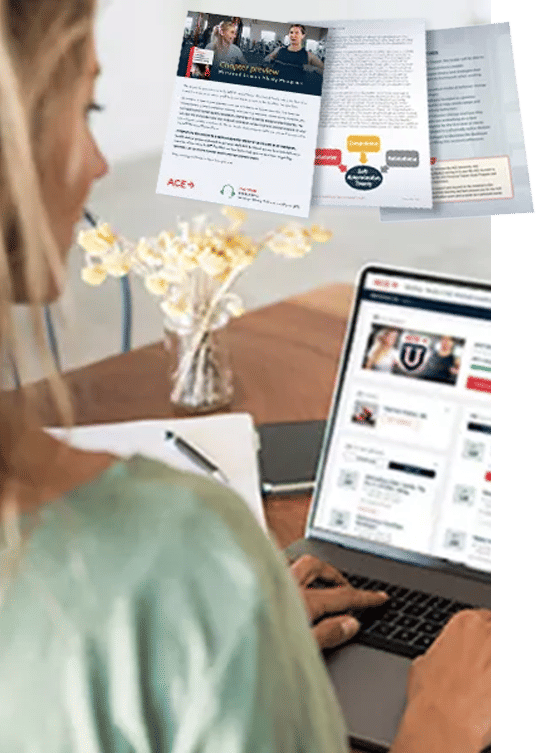
Get a FREE sneak peek of the ACE Personal Trainer Study Program
See the learning experience in action plus get a FREE chapter from the textbook.
Great news! Your FREE Sneak Peek is available.
ACE Personal Trainer Study Program FAQs
Other Programs you may be interested in
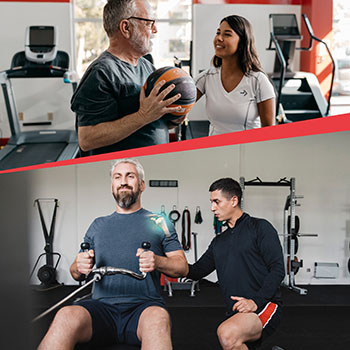
Guide clients through chronic conditions and injuries with a functional approach to fitness.

$707
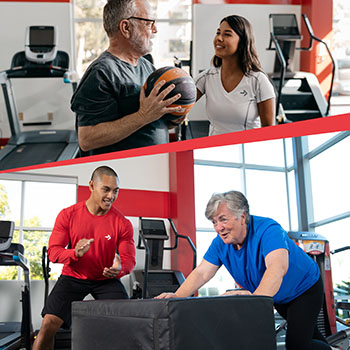
Improve older adults' quality of life through a holistic body and brain health approach.
$707
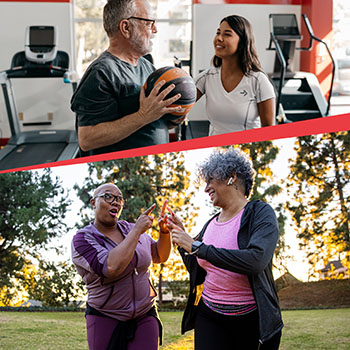
Empower clients to reach their fitness goals and make lifestyle changes through behavior change.
$707
American Council on Exercise reserves the right to discontinue the sale or support of any product at any time, to remove, correct, or update content based on current industry standards, guidelines, or technological advances. Notification will be given to those who have purchased such products six months prior to expiration. No refund will be given for expiring products.