






Sale!

2.5
ACE CECs

Sale • Sale • Sale • Sale • Sale • Sale • Sale • Sale • Sale • Sale • Sale • Sale • Sale • Sale • Sale • Sale • Sale • Sale • Sale • Sale •
Functional Training
ACE Specialist Program
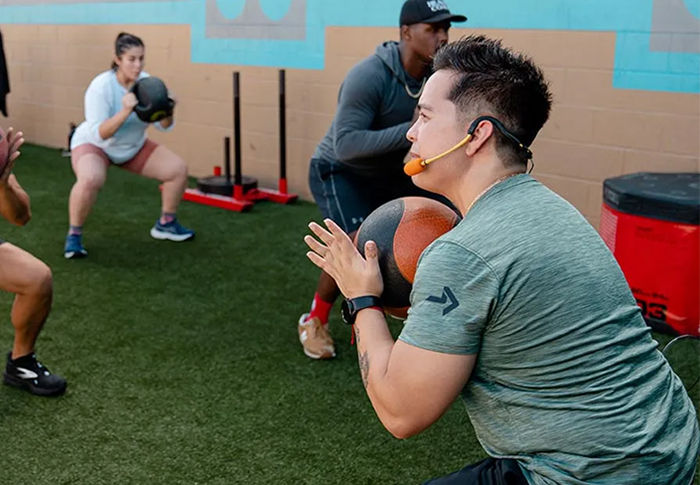
Are your clients struggling with balance, flexibility, or moving comfortably? Empower them to move better, more efficiently, and with greater confidence. As an ACE Functional Training Specialist, you'll learn to design programs that improve movement patterns, prevent injuries, and boost overall quality of life. Whether your clients are competitive athletes, post-rehabilitation patients, or older adults looking to stay active, this program equips you with the tools to optimize their movement and enhance their well-being.
Get Started
Advance your career with confidence
Master functional movement principles and progressions to improve movement efficiency, prevent injuries and help clients achieve their movement goals.
Make a difference helping clients move better
Support clients of all backgrounds, from athletes to older adults, by improving their balance, flexibility, and overall movement quality for a healthier, more active life.
Stand out from the competition
Earn a respected credential that demonstrates your expertise in functional training, setting you apart as a specialist in improving movement efficiency and performance.
Become a Functional Training Specialist
Sale!

Digital + Hard Copy
$595
$297.50
FREE Ground Shipping
(SAVE $20!) USA only. Excludes US territories.
(SAVE $20!) USA only. Excludes US territories.
*Digital eBooks are compatible with desktops (Mac & PC), tablets, and smartphones (iOS & Android) only. Internet required for eBook access. Cannot be printed.
Designed for professionals like you, seeking to make a greater impact.
While anyone can purchase and complete this program, it was designed with the following professionals in mind:
- Certified Personal Trainers
- Certified Health Coaches
- Certified Group Fitness Instructors
- Certified Medical Exercise Specialists
- Athletic Trainers
- Physical Therapists
- Rehabilitation Professionals
- Strength and Conditioning Coaches
How it works
To become an ACE Functional Training Specialist, you must complete the full curriculum and pass all quizzes with a score of 70% or higher. No prerequisites required. You'll receive a certificate, and your credential will never expire or need renewal.
View FAQsWhat you'll learn
The ACE Functional Training Specialist Program provides a comprehensive approach to improving movement quality. By understanding fascia, applying functional assessments, and using exercise progressions and stretching techniques, you'll be equipped to help clients move more efficiently and effectively.

Approved Providers
Approved by the following organizations for continuing education hours:
1.5 CEUs
1.9 CEUs
Grow Your
Career
Get the latest on career-boosting continuing education options like specialist programs, workshops and free webinars designed to help you build your expertise and stand out from the crowd.
Thanks you for signing up! You are on your way to enjoying career-boosting continuing education designed to help you build your expertise and stand out from the crowd.


Other Specialist Programs you may be interested in:


2.5
CECs
$555
Approved by: ACE, NSCA, NETA, NCSF, NASM, AFAA
 CEC Power Pass
 Ethics Course
 Specialist Program

American Council on Exercise reserves the right to discontinue the sale or support of any product at any time, to remove, correct, or update content based on current industry standards, guidelines, or technological advances. Notification will be given to those who have purchased such products six months prior to expiration. No refund will be given for expiring products.