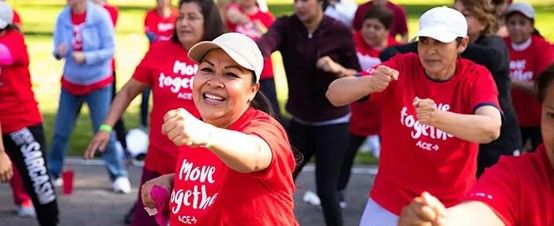






1.3 million classes led by ACE Certified Group Fitness Instructors in 2024!
Join Us
Earn the most recognized
certification that opens doors
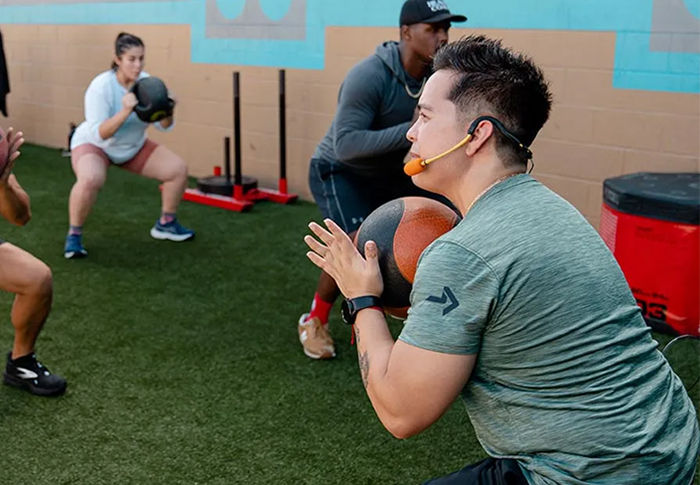
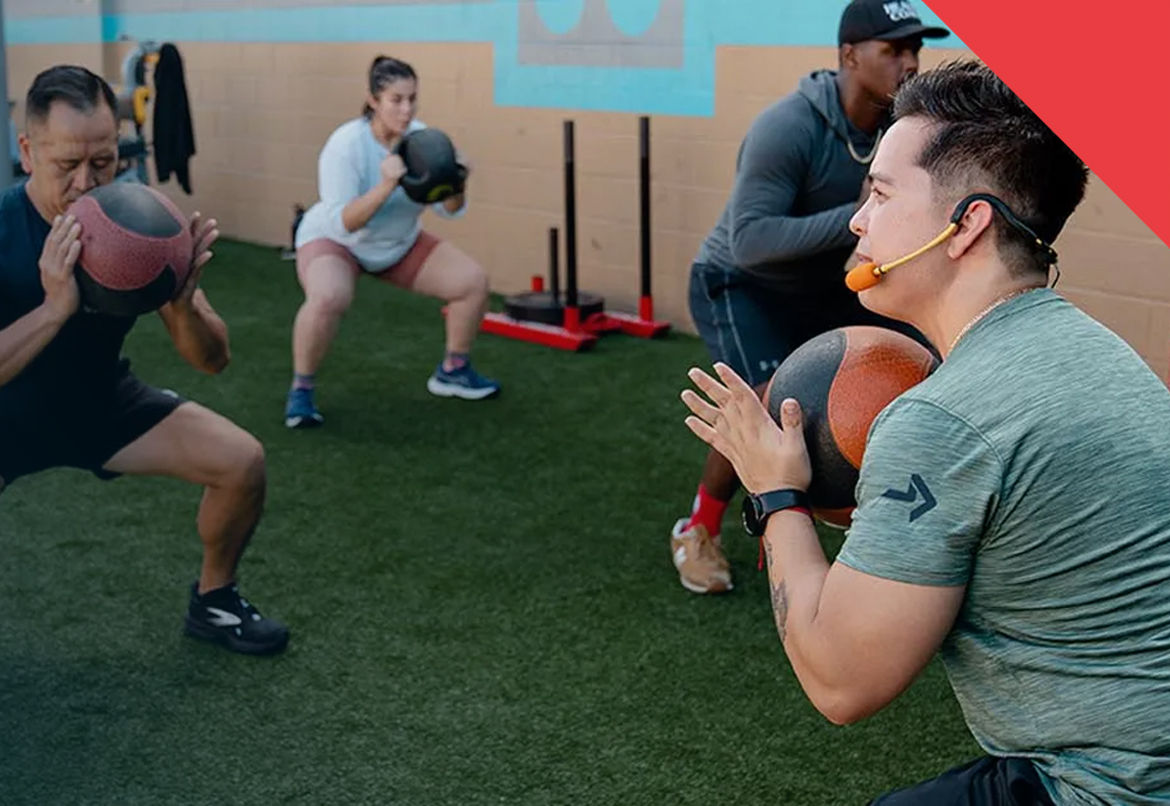
Here are just a few of the MANY IN-DEMAND CLASSES you can teach:
- Dance Fitness
- Strength Training
- Cardio Training
- Yoga
- Indoor Cycling
- Aerobics
- HIIT
- Kickboxing
- Sports Performance
- Pilates
- Martial Arts
- Boot Camp
- Tai Chi
- Barre
- Aquatic Exercise
Get paid to do what you love!

Up to
$100/hr
according to Glassdoor.com

12%
expected increase
in Group Fitness Instructor Employment between 2022-2034
U.S. Department of Labor
Your path to a rewarding career






If you have a background in health and fitness and are prepared to take the exam, you can register here.
90,000 ACE Certified Pros, 35 Million Lives Moved!
Choose your Study Program
96% satisfaction rate!

| Feature | |||||||||||||||||||||||||||||||
|---|---|---|---|---|---|---|---|---|---|---|---|---|---|---|---|---|---|---|---|---|---|---|---|---|---|---|---|---|---|---|---|
|
|||||||||||||||||||||||||||||||
| ACE Certification Exam | |||||||||||||||||||||||||||||||
| MORE! Practice Tests | 1 | 3 | 4 | ||||||||||||||||||||||||||||
|
|||||||||||||||||||||||||||||||
|
|||||||||||||||||||||||||||||||
| NEW! Section Quizzes | |||||||||||||||||||||||||||||||
| Exercise Science 101 | |||||||||||||||||||||||||||||||
| Free Standard Shipping (USA Only) | |||||||||||||||||||||||||||||||
-
ACE University
-
x
The core of your study program where you will receive step-by-step guidance from start to finish, moving from learning to applying. With an intuitive learning platform, compatible on any device, learning is at your fingertips. ACE U helps you plan, manage and track your course syllabus and offers engaging videos, chapter summaries, helpful quizzes and learning activities, and a special exam prep module.
- Online study dashboard
- Video lectures & demonstrations
- NEW! Learning activities
- Chapter quizzes
- Offering Group Fitness Classes in Diverse Settings
- NEW! ACE RRAMP Approach™
-
- ACE Certification Exam
-
Practice Test (1)
x
Test your readiness to take the ACE Group Fitness Instructor Certification Exam. Number of tests vary and may be timed or untimed based on your Study Program. Each test is unique and can be taken as many times as you like.
-
NEW! ACE Group Fitness Instructor Textbookx
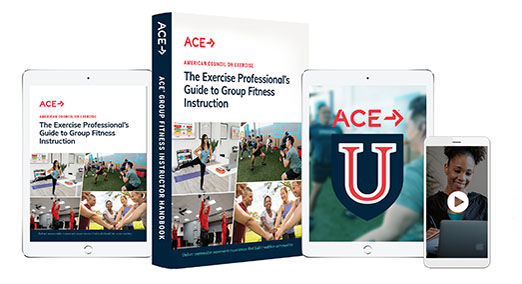
Updated with the latest research and packed with time-tested strategies, The Exercise Professional's Guide to Group Fitness Instruction delivers everything you'll need to create a dynamic class environment that is full of highly engaged participants–no matter the setting or type of class.
Hardcopy versions of the textbook are included in the Plus & Advantage Study Programs. The Audiobook is included in the Advantage Study Program.
Digital
-
ACE University
-
x
The core of your study program where you will receive step-by-step guidance from start to finish, moving from learning to applying. With an intuitive learning platform, compatible on any device, learning is at your fingertips. ACE U helps you plan, manage and track your course syllabus and offers engaging videos, chapter summaries, helpful quizzes and learning activities, and a special exam prep module.
- Online study dashboard
- Video lectures & demonstrations
- NEW! Learning activities
- Chapter quizzes
- Offering Group Fitness Classes in Diverse Settings
- NEW! ACE RRAMP Approach™
-
- ACE Certification Exam
-
Practice Tests (3)
x
Test your readiness to take the ACE Group Fitness Instructor Certification Exam. Number of tests vary and may be timed or untimed based on your Study Program. Each test is unique and can be taken as many times as you like.
-
NEW! ACE Group Fitness Instructor Textbookx
Updated with the latest research and packed with time-tested strategies, The Exercise Professional's Guide to Group Fitness Instruction delivers everything you'll need to create a dynamic class environment that is full of highly engaged participants–no matter the setting or type of class.
Hardcopy versions of the textbook are included in the Plus & Advantage Study Programs. The Audiobook is included in the Advantage Study Program.
DigitalHard Copy -
ACE Answers Study Supportx
Enhance your learning and be confident in your readiness to take the ACE Certification Exam with on-demand study support from ACE Answers. Includes access to ACE Answers Basic plus:
Live Q&A Webinars where you can get your questions answered on a variety of topics by an ACE Study Coach. Plus, listen and learn while fellow participants ask questions during these engaging webinars.
Live Q&A Webinars - Free Standard Shipping (USA only)
-
ACE University
-
x
The core of your study program where you will receive step-by-step guidance from start to finish, moving from learning to applying. With an intuitive learning platform, compatible on any device, learning is at your fingertips. ACE U helps you plan, manage and track your course syllabus and offers engaging videos, chapter summaries, helpful quizzes and learning activities, and a special exam prep module.
- Online study dashboard
- Video lectures & demonstrations
- NEW! Learning activities
- Chapter quizzes
- Offering Group Fitness Classes in Diverse Settings
- NEW! ACE RRAMP Approach™
-
- ACE Certification Exam
-
Practice Tests (4)
x
Test your readiness to take the ACE Group Fitness Instructor Certification Exam. Number of tests vary and may be timed or untimed based on your Study Program. Each test is unique and can be taken as many times as you like.
-
NEW! ACE Group Fitness Instructor Textbookx
Updated with the latest research and packed with time-tested strategies, The Exercise Professional's Guide to Group Fitness Instruction delivers everything you'll need to create a dynamic class environment that is full of highly engaged participants–no matter the setting or type of class.
Hardcopy versions of the textbook are included in the Plus & Advantage Study Programs. The Audiobook is included in the Advantage Study Program.
DigitalHard CopyNEW! Audiobook -
ACE Answers Study Supportx
Enhance your learning and be confident in your readiness to take the ACE Certification Exam with on-demand study support from ACE Answers. Includes access to ACE Answers Basic plus:
Live Q&A Webinars where you can get your questions answered on a variety of topics by an ACE Study Coach. Plus, listen and learn while fellow participants ask questions during these engaging webinars.
Live Q&A Webinars -
NEW! Section Quizzes
x
New quizzes help reinforce the course material from each section of the study program–so you can easily identify the topics you've already mastered and which to revisit before your exam.
-
Exercise Science 101
x
A supplemental course designed to support your understanding of the anatomy and physiology concepts that serve as foundational knowledge for your career.
- Free Standard Shipping (USA only)
*Digital eBooks compatible with desktops (Mac & PC), tablets and smartphones (iOS & Android) only. Cannot be printed.

Accredited by the NCCA, the gold standard in health and fitness.
*Digital eBooks compatible with desktops (Mac & PC), tablets and smartphones (iOS & Android) only. Cannot be printed.
What you'll learn
The NEW & IMPROVED ACE Group Fitness Instructor Certification Study Program will prepare you to lead memorable classes across the countless variations and opportunities that group fitness has to offer. You will gain the skills to deliver dynamic classes that are inclusive and full of highly engaged participants.
Packed with exercise programming, motivation techniques, music selection, safety considerations and more, the program brings an application-based approach to training that will equip you with the latest instructional techniques, coaching skills and leadership strategies that are necessary to deliver effective and enjoyable classes. The program blends foundational, evidence-based knowledge of group fitness with the ACE behavior-change philosophy, which will set you apart as a compassionate and empowering group fitness instructor, allowing you to establish a long and rewarding career in the fitness industry.
Demonstrations
Activities
Webinars
Quizzes
Tests
Study Support
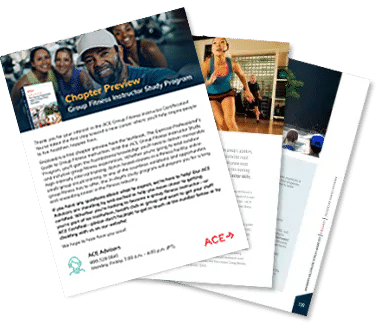
Get a FREE sneak peek!
See the all-new learning experience in action
plus get a free chapter from the textbook.
Great news! Your FREE Sneak Peek is available.

FAQs
ACE is with you every step of the way

Learn online at your own pace
Gain the knowledge to get certified in as few as 3-6 months with our flexible Study Programs.

Build in-demand skills
Learn the latest exercise science and behavior change methods that people everywhere are seeking.

Put your knowledge into action
Gain practical experience through interactive learning activities and real-world application.

Get on-demand study support
Succeed with the help of ACE Answers, Study Coaches, and live Q&A.

Access lifelong career resources
Get access to exclusive groups, networks and tools, like ACE® Pro Compass and the ACE Job Board.
American Council on Exercise reserves the right to discontinue the sale or support of any product at any time, to remove, correct, or update content based on current industry standards, guidelines, or technological advances. Notification will be given to those who have purchased such products six months prior to expiration. No refund will be given for expiring products.