




Physical Activity Guidelines for Americans
Healthy Adults, Older Adults and Adults with Disabilities
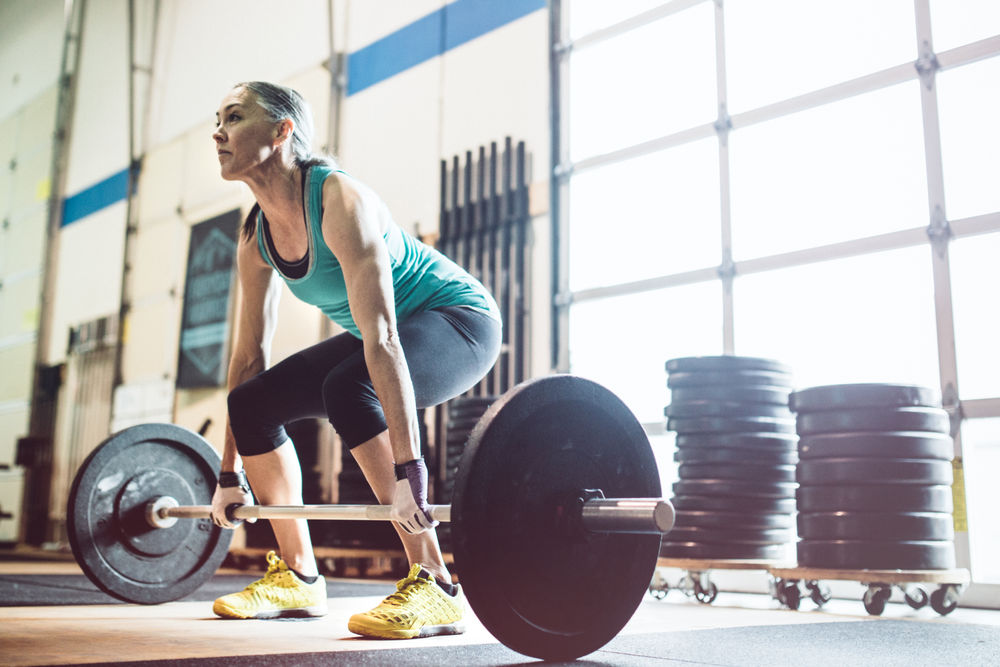
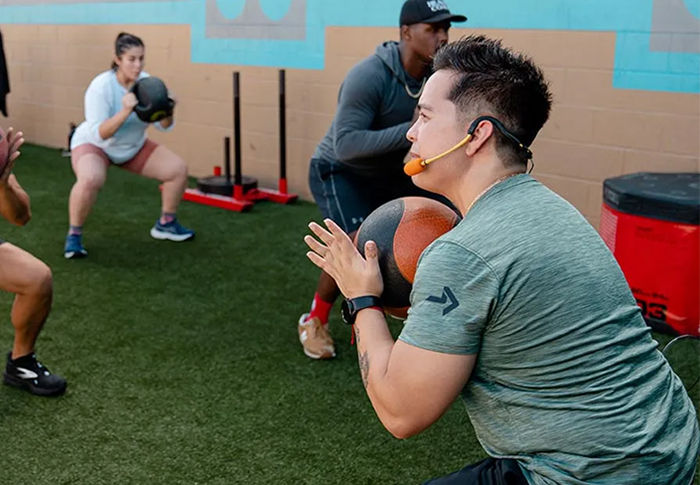
At least 2.5 hours of weekly moderate-intensity aerobic activity, such as brisk walking, water aerobics, ballroom dancing or general gardening. You should be able to talk comfortably during exercise. If time is an issue, fit in several 10-minute bouts of aerobic exercise a day. For more health benefits, exercise 5 hours a week at a moderate pace. More fit individuals can opt for 75 minutes of weekly vigorous exercise, such as jogging, race walking, swimming laps, jumping rope or hiking uphill; and increase training to 2.5 hours a week for greater health benefits. At least twice a week incorporate strength-training exercises such as weight-training, push-ups, sit-ups, carrying heavy loads or heavy gardening. Sedentary adults and those with medical pre-conditions and chronic conditions should consult their physicians before embarking on an exercise program.
Children and Adolescents
At least one hour a day of moderate physical activity, such as hiking, skateboarding, bicycle riding and brisk walking, including three days a week of vigorous activities, such as running, basketball, soccer or ice and field hockey. For strong muscles and bones, perform strength-training activities, such as climbing rope, sit-ups and tug-of-war three days a week.
Women who are Pregnant
At least 2.5 hours of weekly moderate-intensity aerobic activity during pregnancy and after delivery, such as swimming, cycling on a stationary bicycle or working on an elliptical trainer. Fitter women can continue to perform 75 minutes of vigorous aerobic training a week given their doctor’s consent and adjustment of the exercise program over time.
Thanksgiving kicks off a season when Americans typically spend the next six weeks enjoying their favorite holiday treats only to make it their New Year’s resolution to shed the extra three to seven pounds they’ve put on.