



Exercise Database & Library | Featured Exercises from ACE
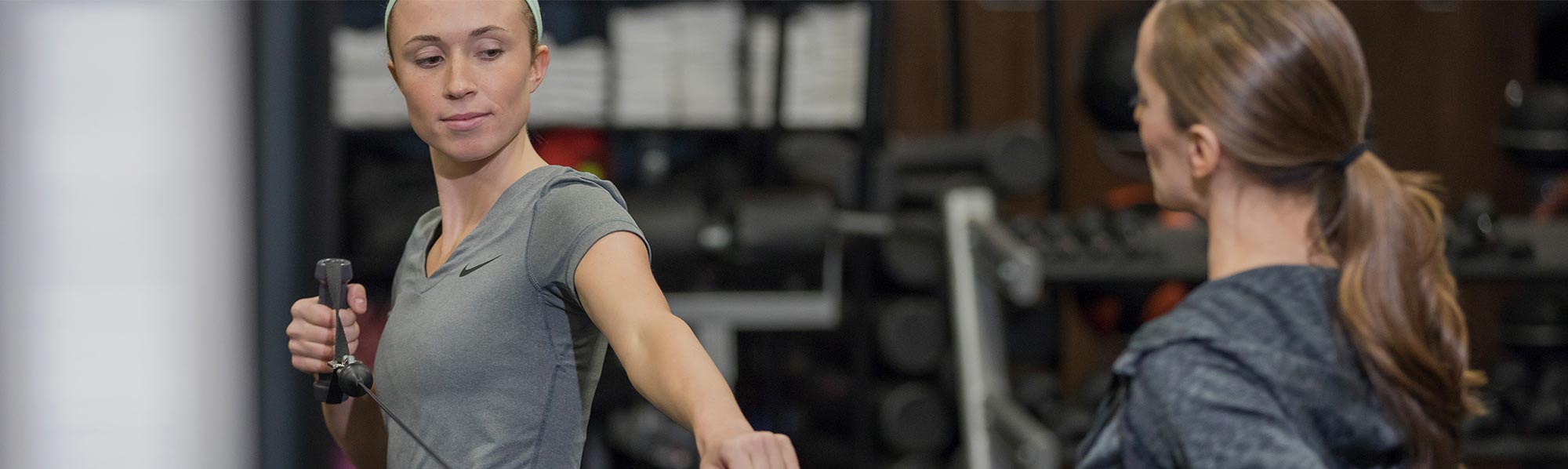
Whether you're a beginning exerciser who needs help getting started or someone who wants to add some spice to your fitness routine, our ACE Fitness® Exercise Library offers a variety of movements to choose from. Browse through total-body exercises or movements that target more specific areas of the body. Each comes with a detailed description and photos to help ensure proper form.
Featured Exercises
- Target Body Part:
- Butt/Hips, Legs - Calves and Shins, Legs - Thighs
- Equipment:
- Raised Platform/Box
- Difficulty:
-
 Advanced
- Target Body Part:
- Full Body/Integrated
- Equipment:
- Resistance Bands/Cables
- Difficulty:
-
Beginner
- Target Body Part:
- Abs, Butt/Hips, Legs - Thighs
- Equipment:
- No Equipment
- Difficulty:
-
Intermediate
- Target Body Part:
- Butt/Hips, Legs - Thighs
- Equipment:
- No Equipment
- Difficulty:
-
Beginner
Popular Exercises






Share:
