



• Share this page
    Pin It
  • Live Chat
  • (888) 825-3636

September 28, 2011, 09:55AM PT in Fit Life  |  0 Comments

Am I too old to exercise?

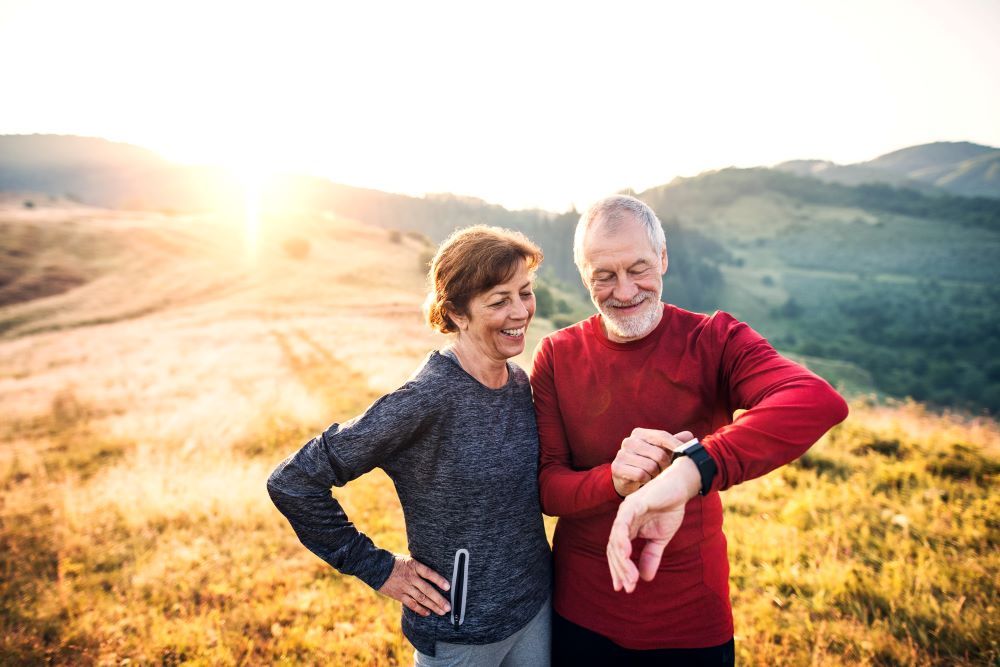
older adult exercisingIf you’ve ever thought you aren’t standing as straight and tall as you once did, find walking up a flight of stairs to be a strain at times, or you groan when reaching for the arms of a chair as you slowly get up from sitting, you aren’t alone.

There are about 78 million baby boomers born between 1946 and 1964, with nearly 11 million of them working out in gyms throughout America.

Keep this in mind: “We don’t stop exercising because we get old, we get old because we stop exercising.”

Older adults hurt themselves more through INactivity than through activity. Strength, flexibility, balance and endurance wither from INactivity. Exercise will increase your healthy life-years and enable you to fully engage in life, adding years to your life and life to your years.

With definitive research demonstrating that activity helps forestall cognitive decline (dementia) and being fit keeps people healthier longer, it’s no wonder that more boomers are signing up for personal trainers, group exercise classes, boot camps, and walking groups.

Maintaining at least moderate activity is a key component in a positive health regimen that will combat or prevent these ailments: weight-related diseases, heart disease, anatomical and structural impairments, hypertension, osteoporosis, cholesterol, Alzheimer’s disease, sexual performance, loss of muscle mass, and decreased sociability.

To prevent normal biological changes caused by aging, seek kinder, gentler workouts; slower and longer warm-ups and cool-downs; and exercise routines that emphasize diminished risk of injury while promoting posture, strength, endurance, flexibility, agility and balance.

Specifically, here are five types of exercise that promote mental alertness and compress disability into as late as life as possible. No, these don’t include cosmetic surgery, expensive skin care regimens or hormone replacement — they don’t have the staggering amount of research that exercise does.

  1. Cardio: Moderately intense aerobic activity for a minimum of 30 minutes five times per week or, if you can engage in more vigorous aerobic exercise, do that three times a week for a minimum of 20 minutes. Walking, swimming, using a treadmill or elliptical, and biking are examples of cardio exercise.
  2. Strength training: We lose 30% of our muscle strength between the ages of 50 and 70 years. Normally, adults who are sedentary beyond age 50 can expect muscle loss of up to 0.4 pounds a year. At least twice each week, engage in exercises designed to maintain or increase muscular strength and endurance, including resistance training with machines or free weights.
  3. Flexibility training: Here’s where stretching and range of motion exercises become important to connective tissue, so regular stretching at least twice each week for at least 10 minutes each time is recommended.
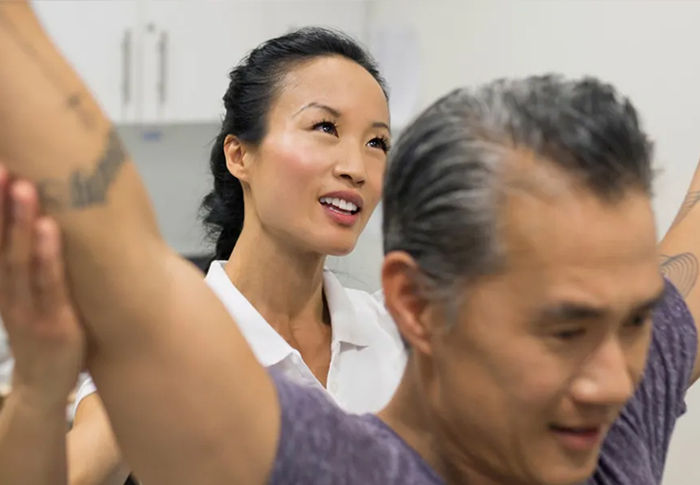
  4. Balance training: Musculoskeletal injuries are the number one reason people seek medical help, with falls among the leading causes of death for the 65+ population. Backward and sideways walking, heel walking and toe walking are all fun ways to increase balance. Consider using a workout ball or balance pad and have a professional trainer demonstrating proper form and exercise options.
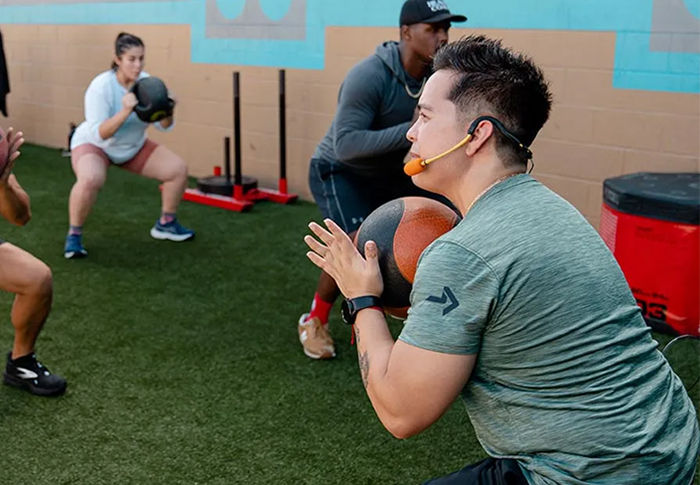
  5. Core training: These exercises strengthen your abs and other muscles that stabilize the spine, pelvis, and run the entire length of the torso. These muscles make it possible to stand, shift body weight and protect the back and hips. Exercises include abdominal bracing, contracting the abdominal muscles, plank exercises, hip lifts, and having fun with medicine balls, dumbbells, kettlebells, Bosu Balls, balance and wobble boards.

Looking for more information? Check out the Older Adult Fitness ACE FitFacts™. Looking for inspiration? Look to these senior Olympians who dive and pole vault amongst other activities!

By Michael Mantell
Dr. Michael Mantell

Michael R. Mantell, Ph.D., earned his doctorate at the University of Pennsylvania after completing his M.S. degree in clinical psychology at Hahnemnann Medical College where he wrote his thesis on the psychological aspects of obesity. He coaches world-class athletes and fitness enthusaists for mental and behavioral performance enhancement. He is Senior Fitness Consultant for Behavioral Sciences for ACE, on the faculty of the Equinox Fitness Training Institute, a national Community Ambassador for Experience Life Magazine's health initiative, appears weekly on San Diego's Fox TV, is a consultant to Total Gym and Les Mills International, writes for IHRSA, and is a member of the Sports Medicine Team at the Sporting Club of San Diego specializing in fitness behavioral science. Dr. Mantell has written two best-selling books and as a member of SAG/AFTRA, provides opinion, commentary and analysis in print and broadcast media throughout the world.

  • Filed Under:
    Fitness 
  • Rating: Rate This Post
  • Permalink: